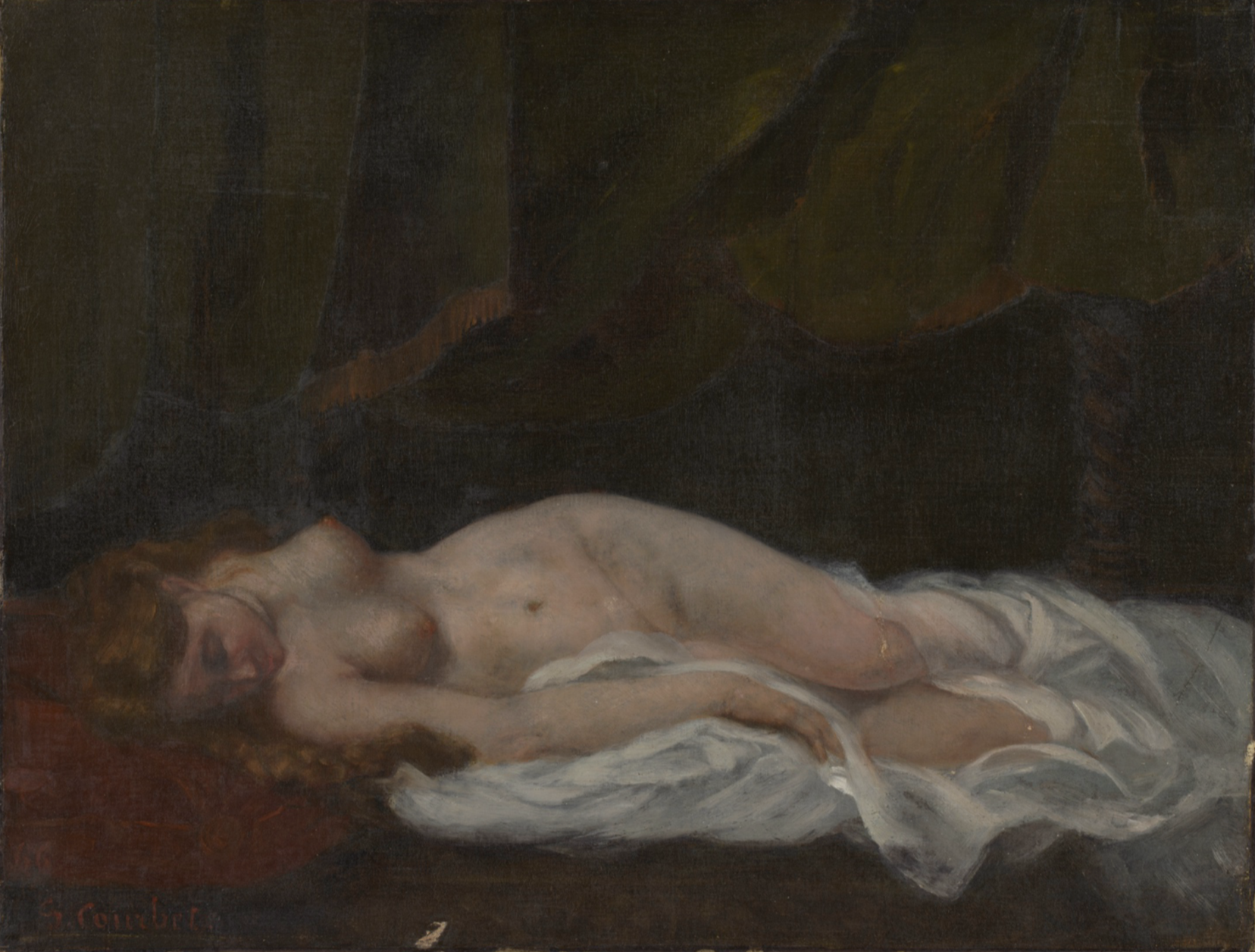
Sleeping Girl
-
Object: Oil on canvas
Title: Sleeping Girl
Artist: Gustave Courbet (1819-1877)
Date: 1866
Dimensions: 50.2 × 65.5 cm
Collection: The Mesdag Collection, The Hague
-
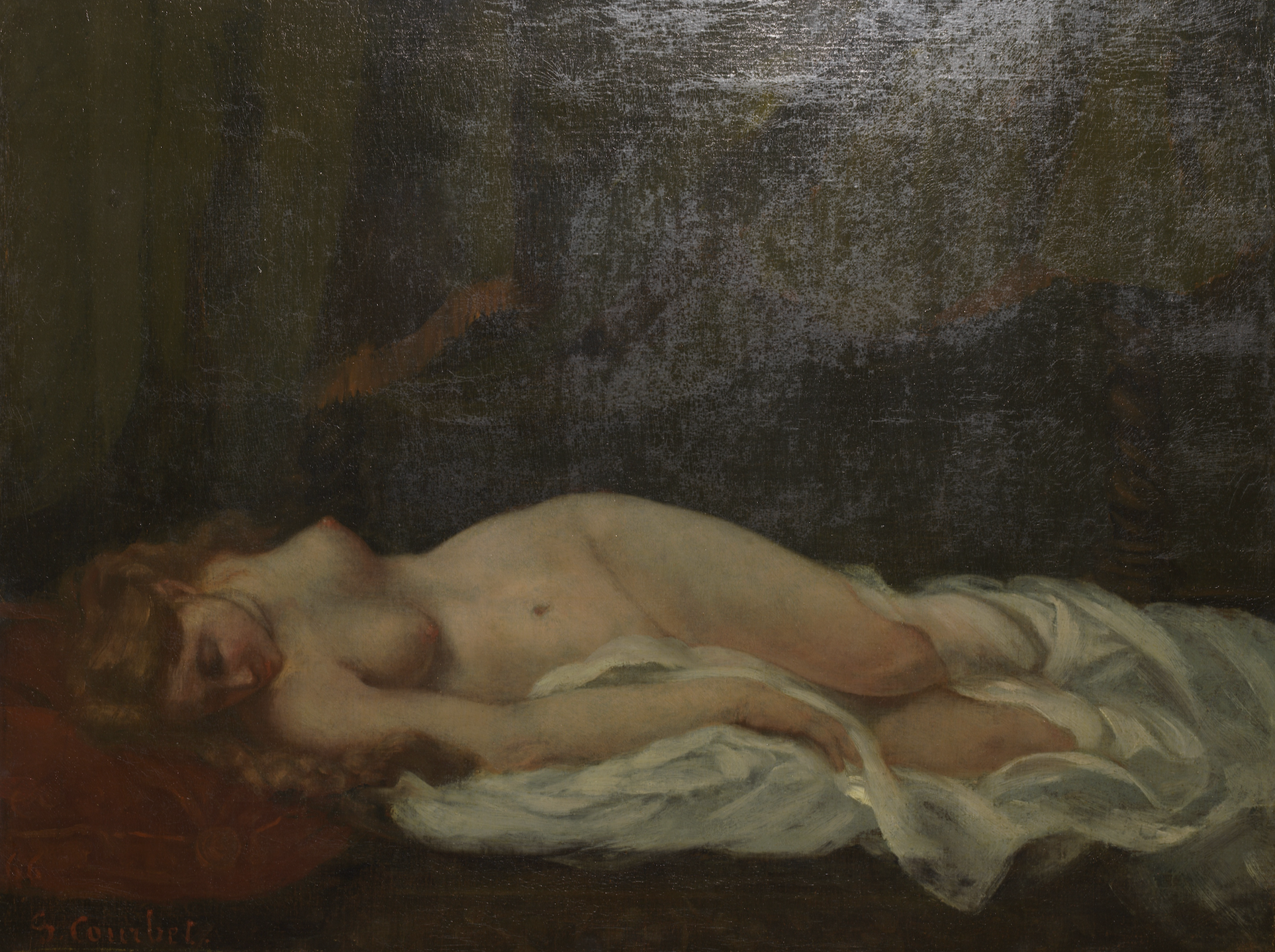
The primary motivation for this project was a widespread, visually disruptive hazy appearance across the surface. The initial focus of the research was to identify the physical location and nature of this haze to determine a safe and effective treatment strategy. Investigation revealed that the haze originated within the varnish layers, which proved to be exceptionally problematic due to their extreme sensitivity.
The varnish was found to be a complex, multi-layered system that likely includes original or contemporary material. This system is highly reactive, exhibiting a low melting point and a heightened sensitivity to both heat and a wide range of organic solvents. Consequently, the research focus shifted toward a detailed characterization of the varnish buildup to ensure that any cleaning or removal strategies would not compromise the integrity of any original materials while restoring the legibility of the painting.
-
The research followed a progressive trajectory, utilizing a suite of analytical tools to navigate the significant material challenges of the work:
Haze visulization and characterization:
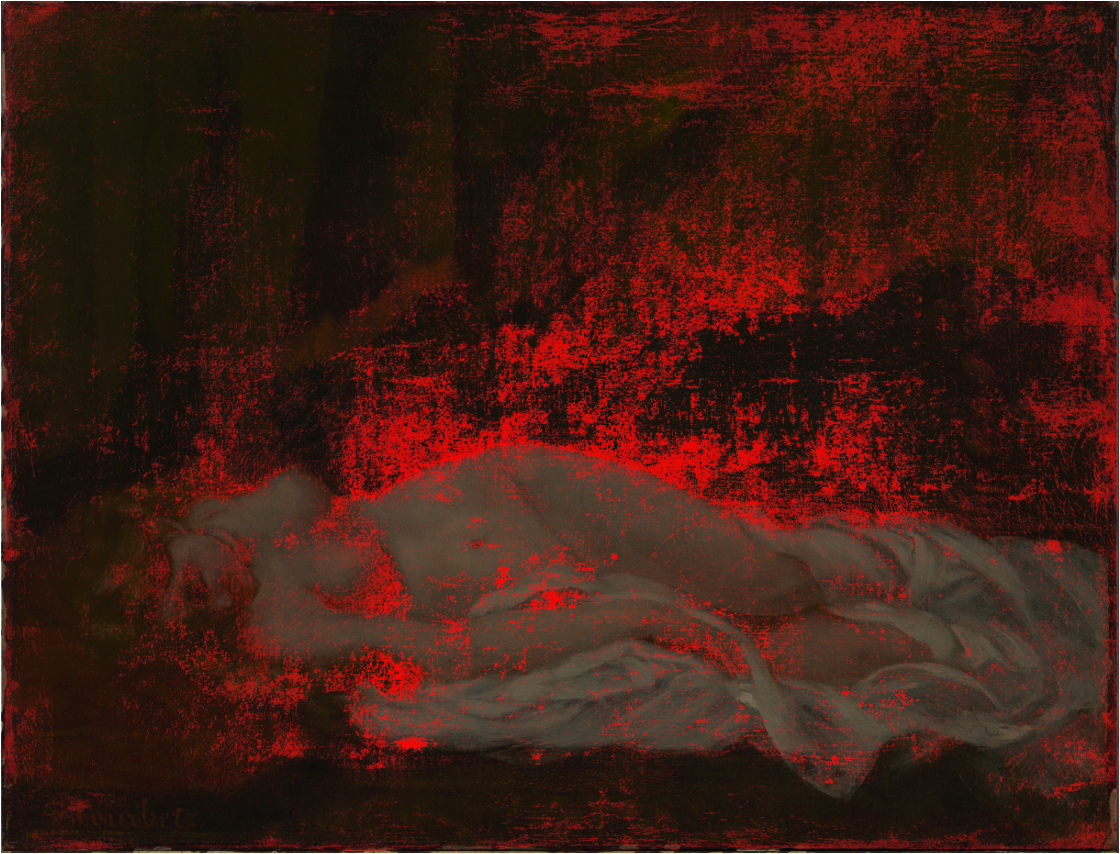
Reflectance Transformation Imaging (RTI): RTI coupled with Photoshop enabled precise visualization and correlation of the haze's distribution patterns across the surface texture, which was fundamental in diagnosing the development of the phenomenon.
HIROX microscopy: Identified the haze as a physical and optical phenomenon localized within the varnish and confirmed the presence of an original intermediate varnish situated between paint applications.
Stratigraphy and Material Analysis: Scientific investigations provided a detailed blueprint of the complex stratigraphy:
Cross-section and ATR-FTIR: Revealed the multi-layered nature of the varnish system and characterized the materials used. These analyses also identified an intermingled interface between the paint layer and the varnish system.
GC-MS: Enabled high-precision material identification of the varnish system and determined the cause of the haze to be the presence of a beeswax-containing surface coating.
-
Goal: To stabilize the varnish and restore the legibility of the painting by removing the problematic components without compromising any original materials.
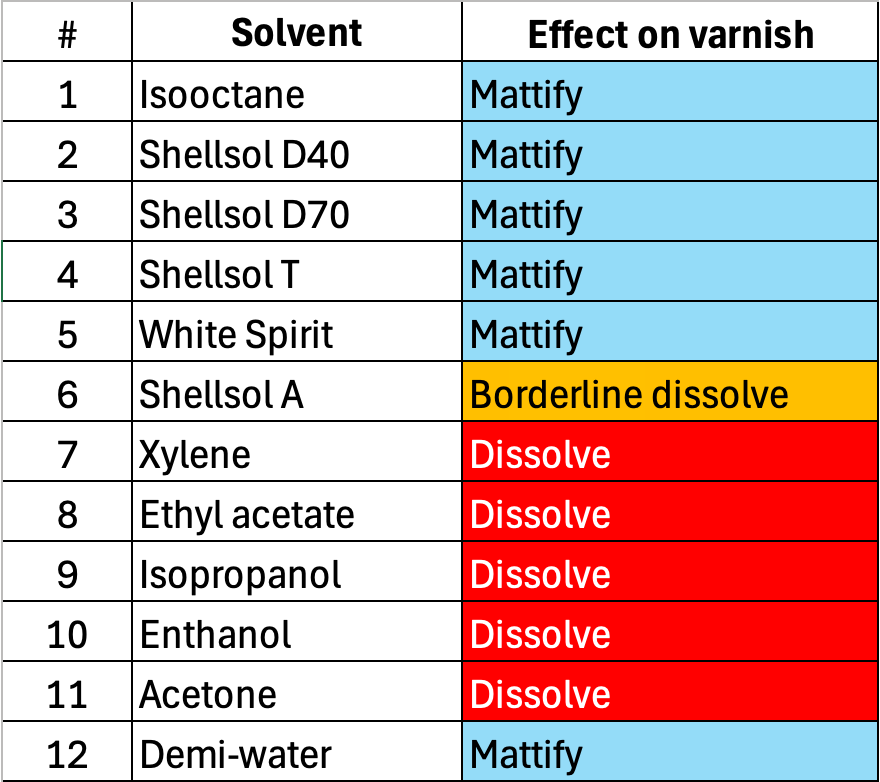
The treatment is exceptionally complicated due to the highly sensitive nature of the varnish system, the presence of original varnish(es), and the intermingled nature of the paint and varnish layers. Additionally, solubility tests revealed that the entire varnish stack is soluble in the same types of solvents, making targeted removal based on differing solubility parameters unfeasible.
The approach then shifted to a partial varnish removal, treating the layers as a single unit. The focus was on identifying a slow-acting solvent system to enable controlled manipulation. A meticulous, multi-step, and time-sensitive method was developed. This adaptive technique used a combination of Evolon® CR tissues, small brushes, and a sequence of solvents with varying polarities, all under continuous monitoring to protect the underlying original layers.
Research
visualization + Characterization
RTI and Photoshop Mapping
Reflectance Transformation Imaging (RTI) was used to emphasize the painting’s surface topography through the manipulation of digital light sources. By coupling these results with Photoshop mapping, a precise visualization was created to correlate the distribution of the hazy appearance with the underlying texture of the paint and varnish. This mapping was fundamental in diagnosing how the haze spread across the composition's topography.
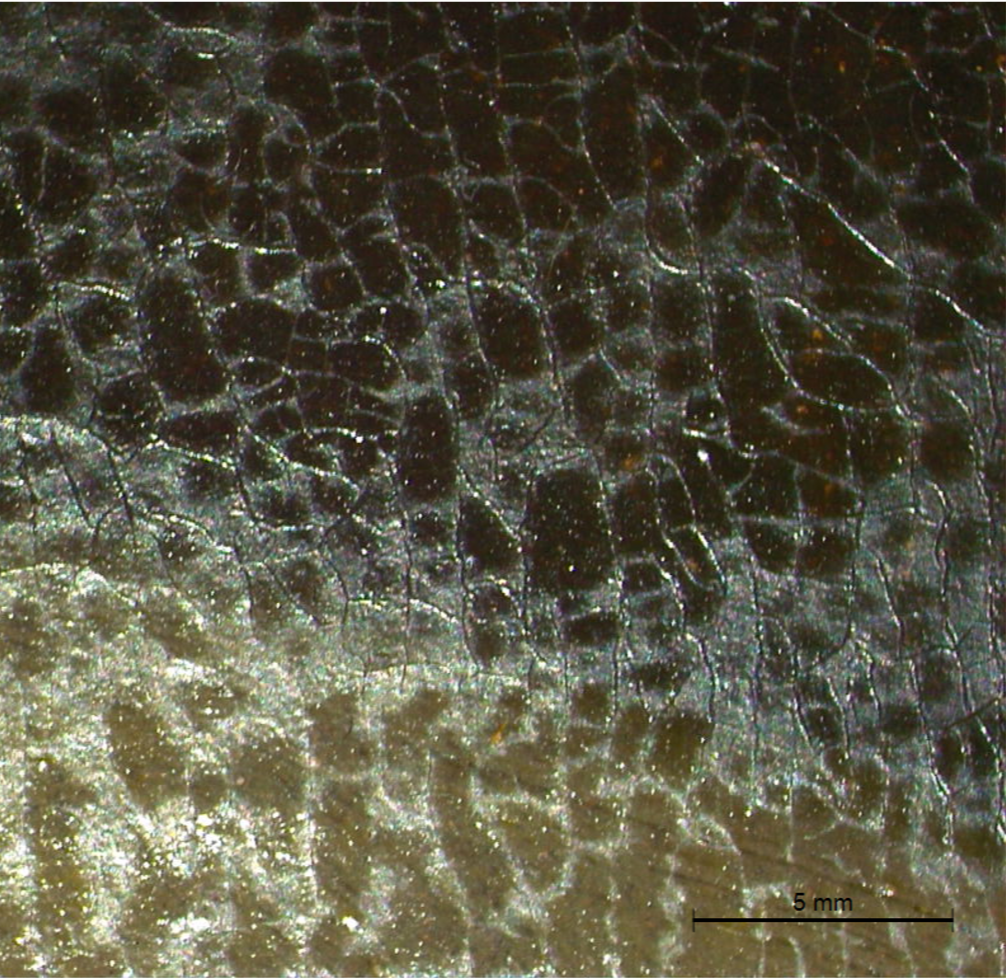
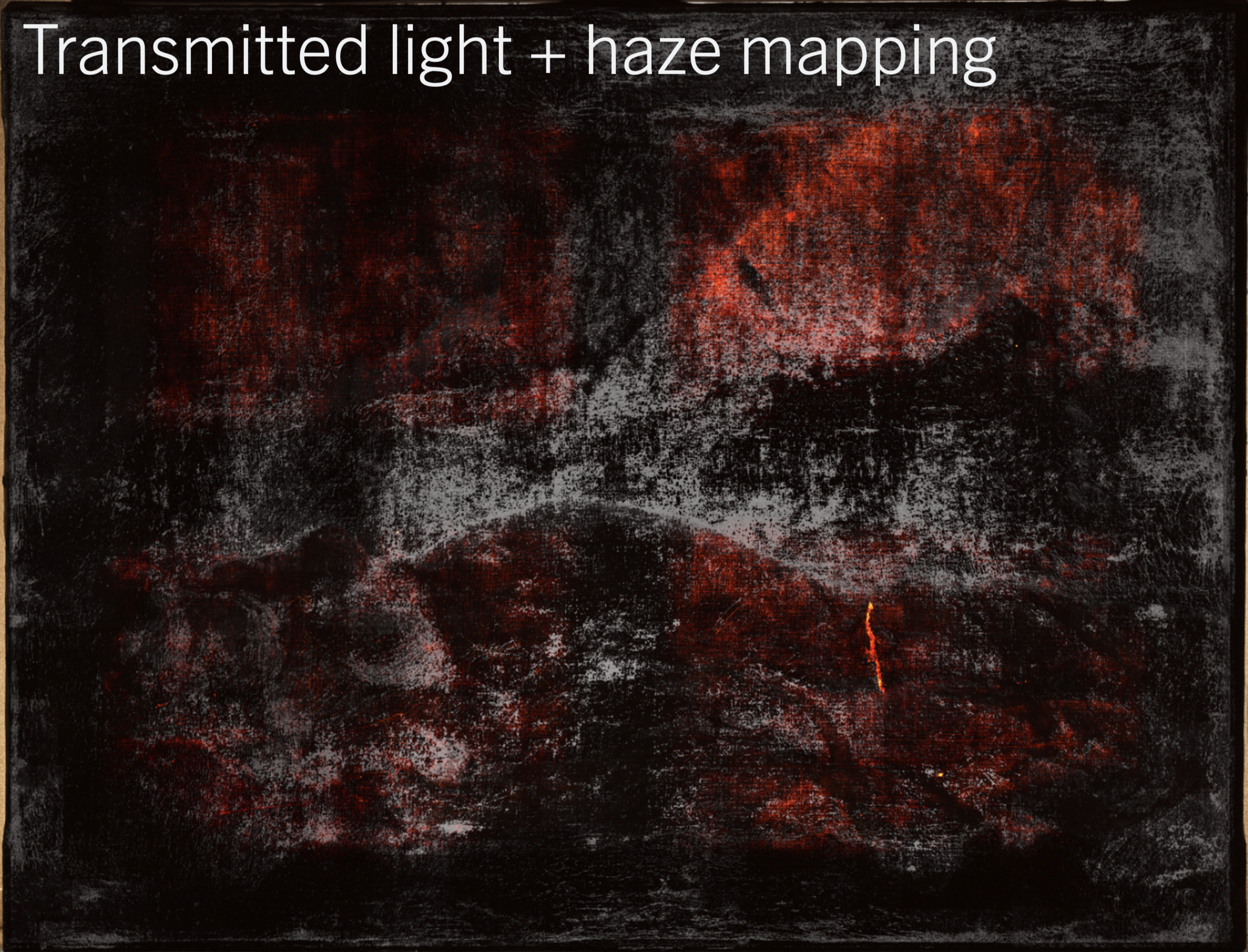
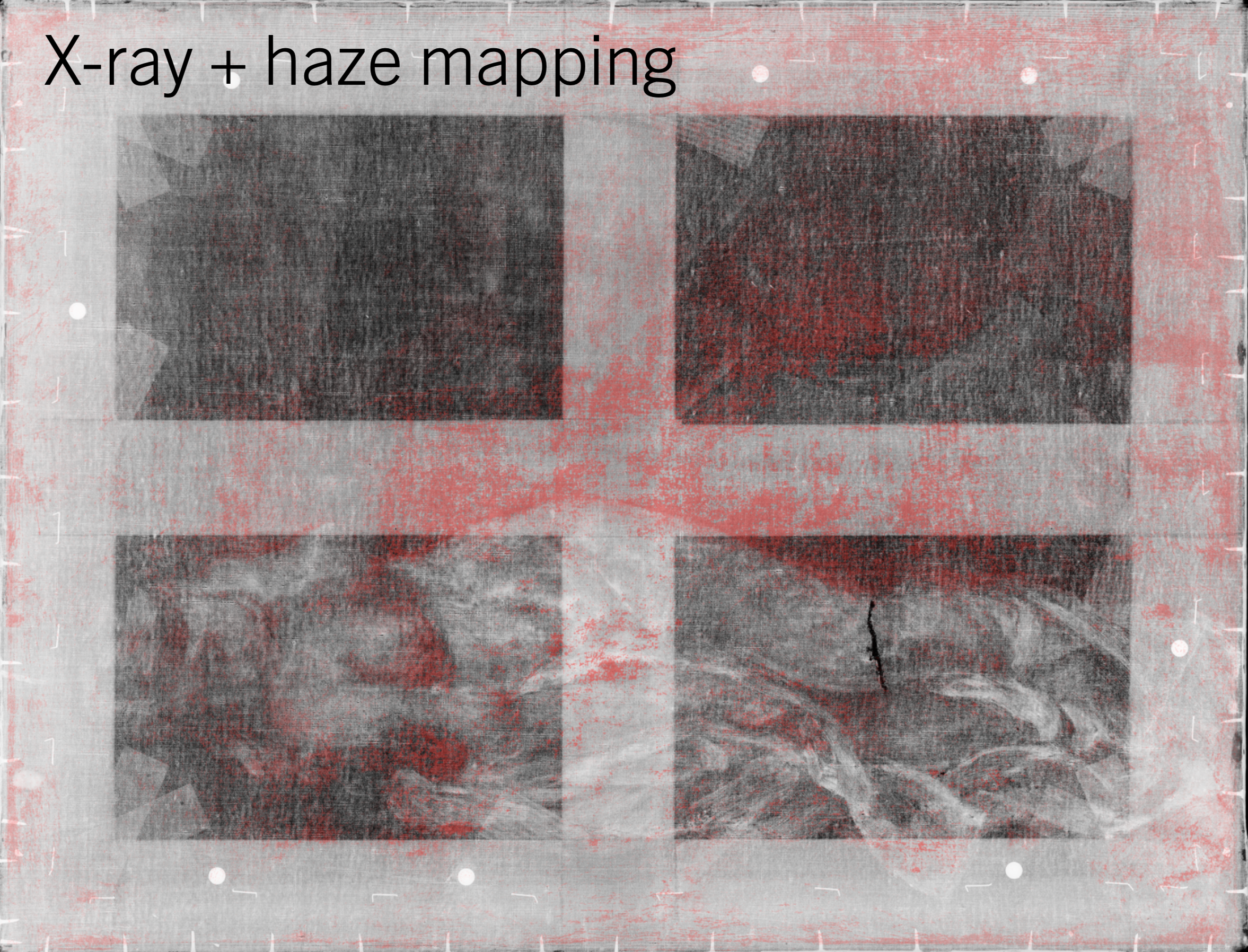
Image Analysis
Multi-spectral overlay with the haze map established that the haze is not randomly distributed but follows specific structural and topographical patterns. The phenomenon primarily develops along the fine craquelure network of the varnish and deep, through-layer cracks that penetrate the stratigraphy. Haze mapping further reveals that the disruption is more concentrated in thinner, more porous paint passages. When the haze map is overlaid with X-ray data, the patterns align with the areas of less dense paint.
Hirox Digital Microscopy
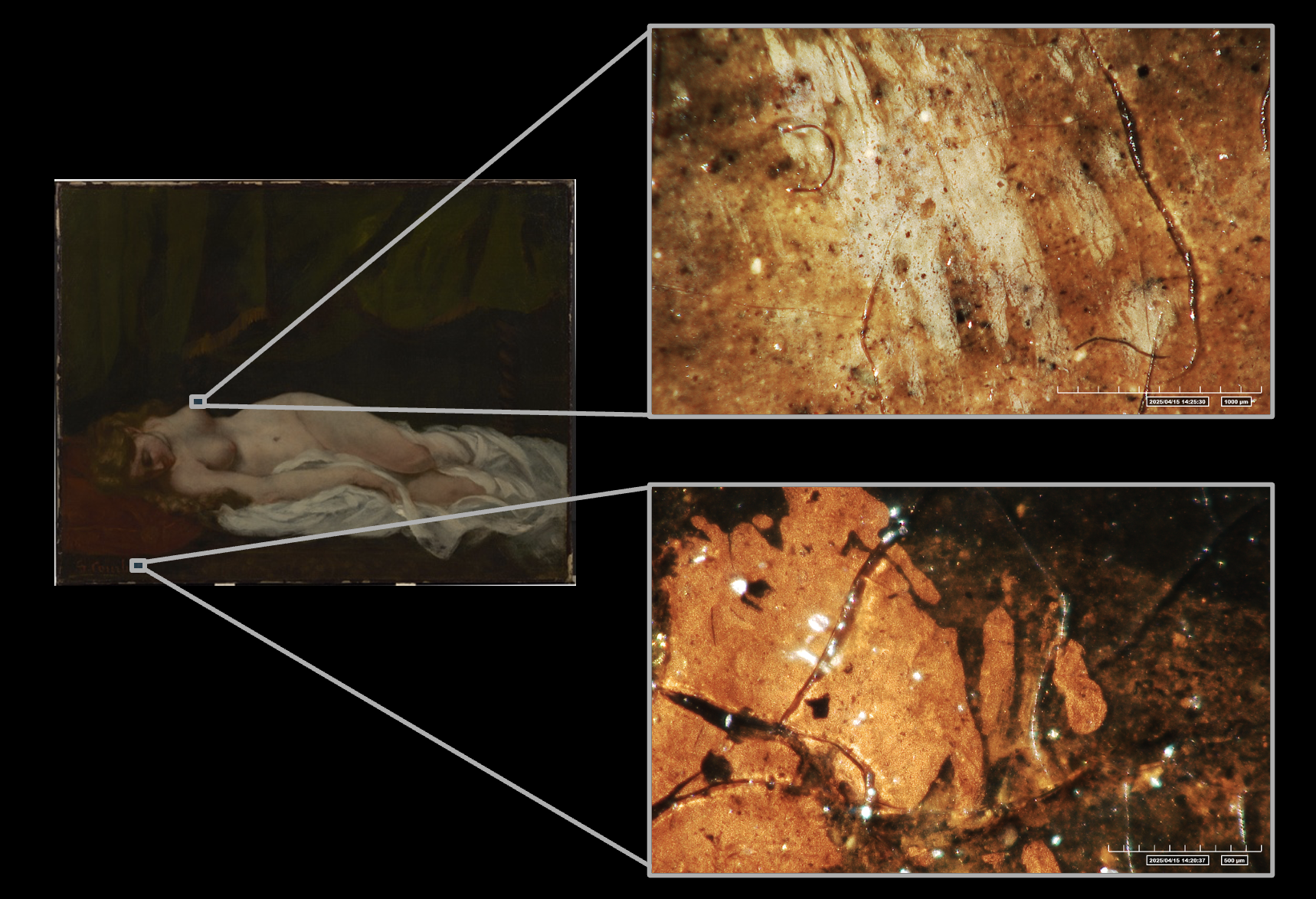
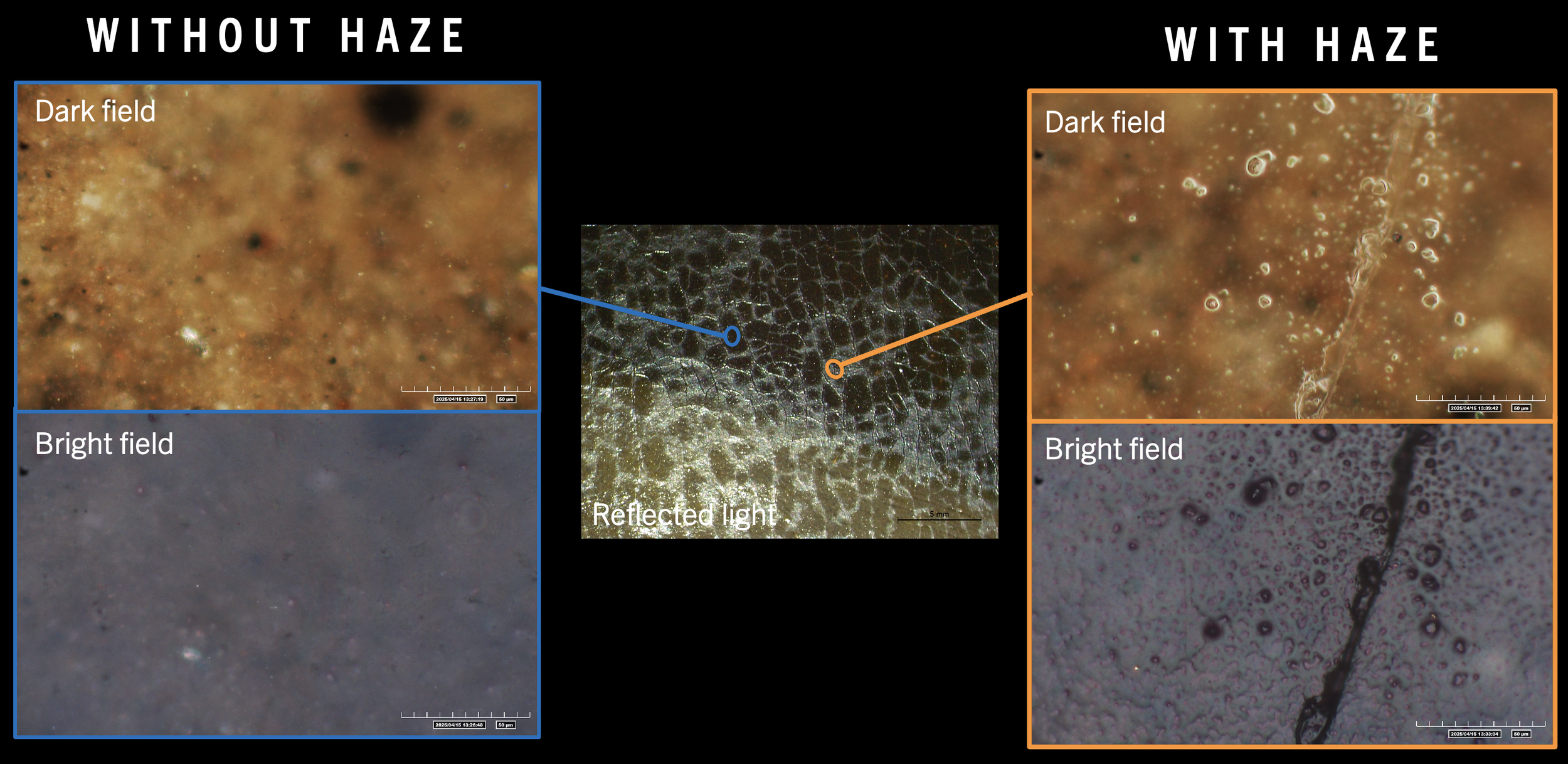
The use of Hirox digital microscopy allowed for high-magnification surface examination, which identified the haze as both a physical and optical phenomenon localized within the varnish. Furthermore, this analysis elucidated Courbet’s complex technique by identifying an original intermediate varnish layer situated between paint applications.
Analysis
Cross-Section and ATR-FTIR Analysis
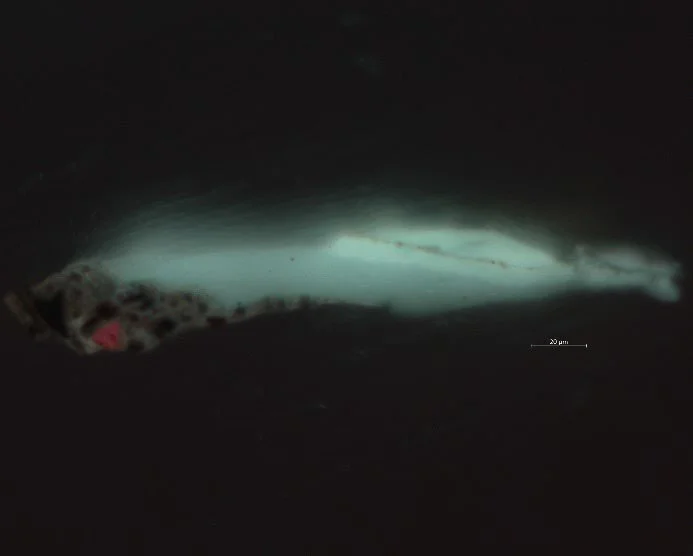
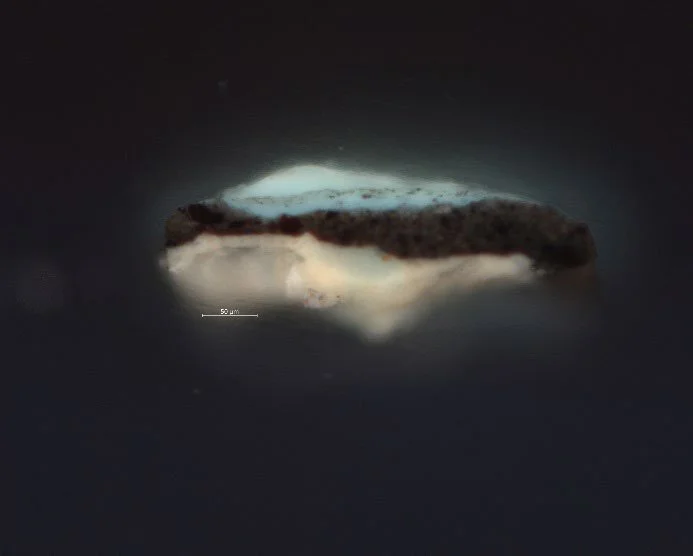
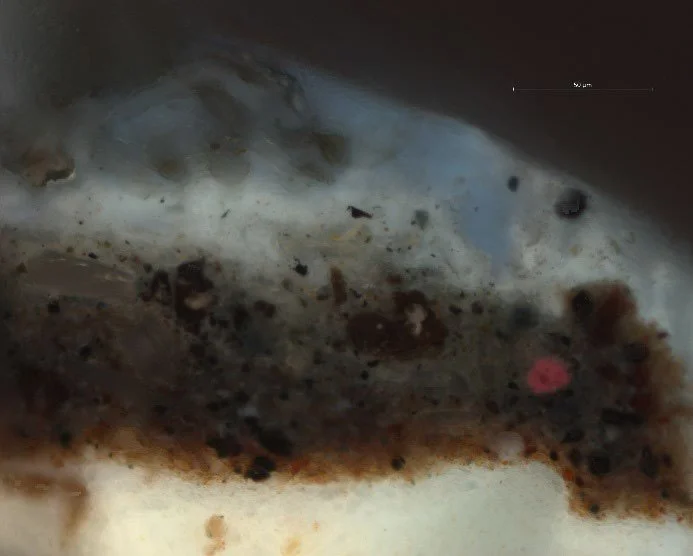
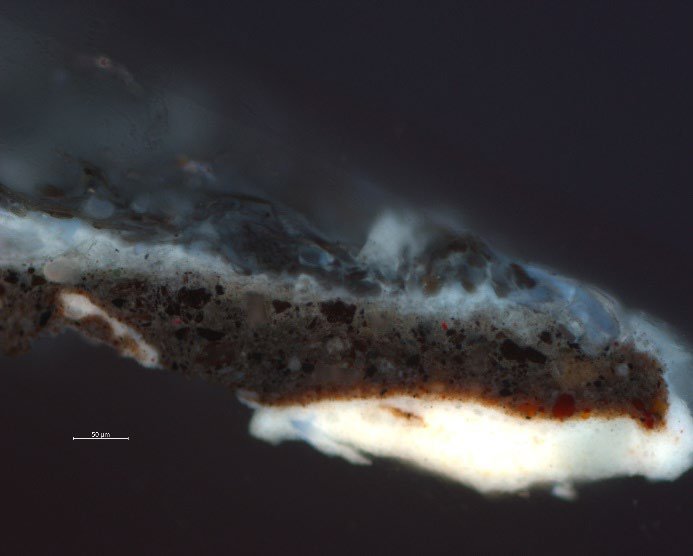
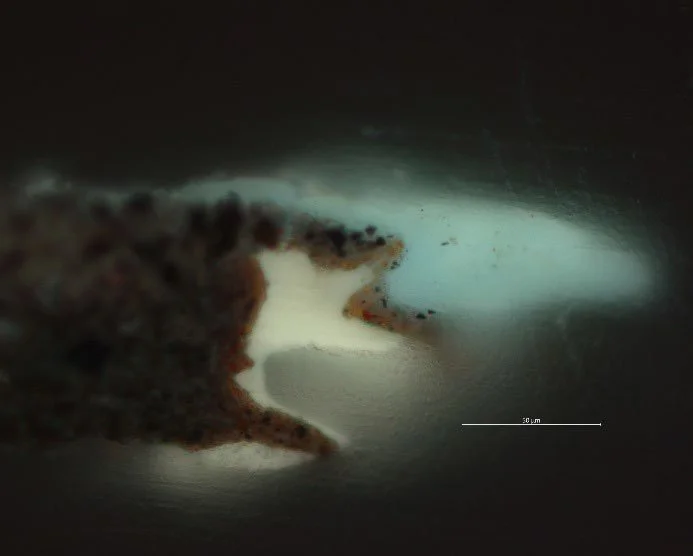
Samples were taken to provide a detailed view of the painting’s stratigraphy. Cross-section analysis, combined with Attenuated Total Reflectance Fourier-Transform Infrared spectroscopy (ATR-FTIR), identified the multi-layered nature of the varnish system and characterized the materials involved. These techniques also revealed a complicated, intermingled interface where the paint and varnish layers meet.
(GC-MS) Analysis
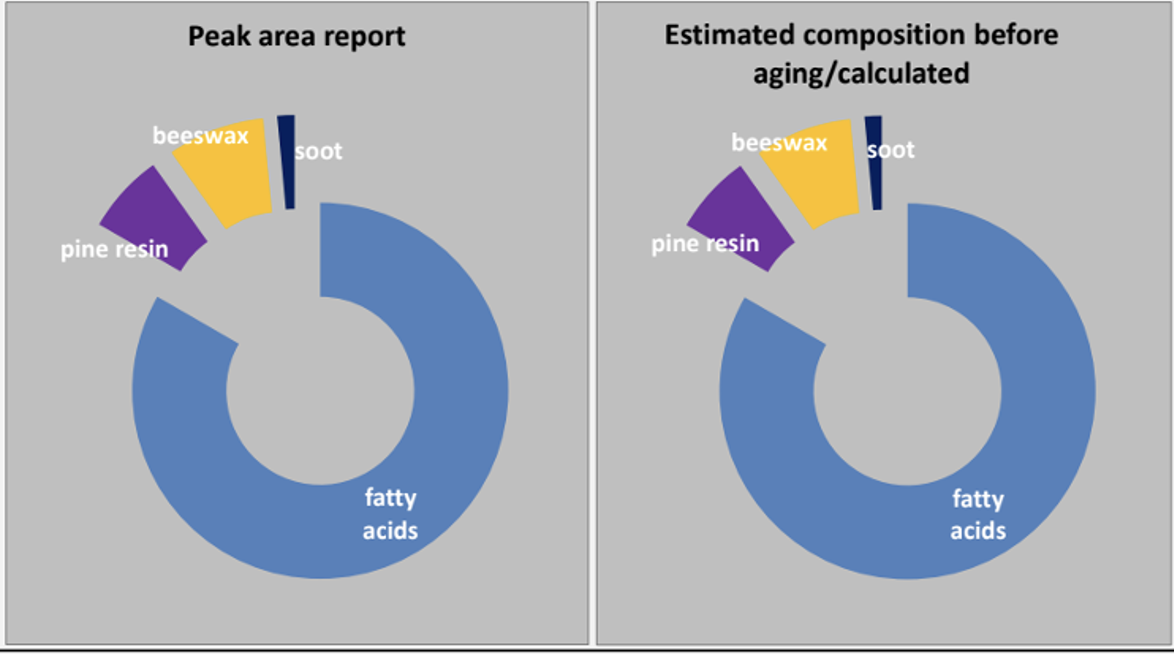
Gas Chromatography–Mass Spectrometry (GC-MS) was employed to further identify the material composition of the surface coatings. This analysis was instrumental in determining that the primary cause of the hazy appearance was due to a degrading beeswax-resin varnish. The identification of these organic components was vital for establishing the specific chemical sensitivities of the varnish system.
Cause of haze
There are two working hypotheses behind the formation of the haze in the beeswax-resin varnish.
Firstly, the haze results from long-term, localized evaporation of volatile material from within the surface coatings, a process expected to proceed fastest in areas most permeable to air or heat transfer, such as cracks and thinly painted passages, and to leave voids behind as it does so. Variation in evaporation rate may have been initiated by the unstable climatic conditions documented during the painting's display at the Mesdag Collection and continued during subsequent storage at the VGM until the haze became visually apparent; condition reports up to 2015 make no reference to the phenomenon, the painting was last on loan in 2015, and the haze was first recorded during a later condition check, consistent with a slow, cumulative process. This interpretation aligns with both the macroscopic mapping and the analytical results described above.
A second, related hypothesis concerns the increasing chemical incompatibility between the varnish's two components as the pine resin ages. As the resin's diterpenoid fraction oxidizes, its increasing polarity may progressively reduce its compatibility with the beeswax, promoting phase separation within the varnish film. Because oxidation is oxygen-dependent, this process would also be expected to proceed fastest in areas of greatest air exposure, broadly consistent with the same permeability-driven pattern already described.
Treatment
challenges
1
The treatment of Sleeping Girl is exceptionally complicated due to the intricate nature of the varnish system and their physical relationship with the original paint film. A safe and effective intervention required a deep understanding of three primary challenges:
Varnish Stratigraphy and Original Material
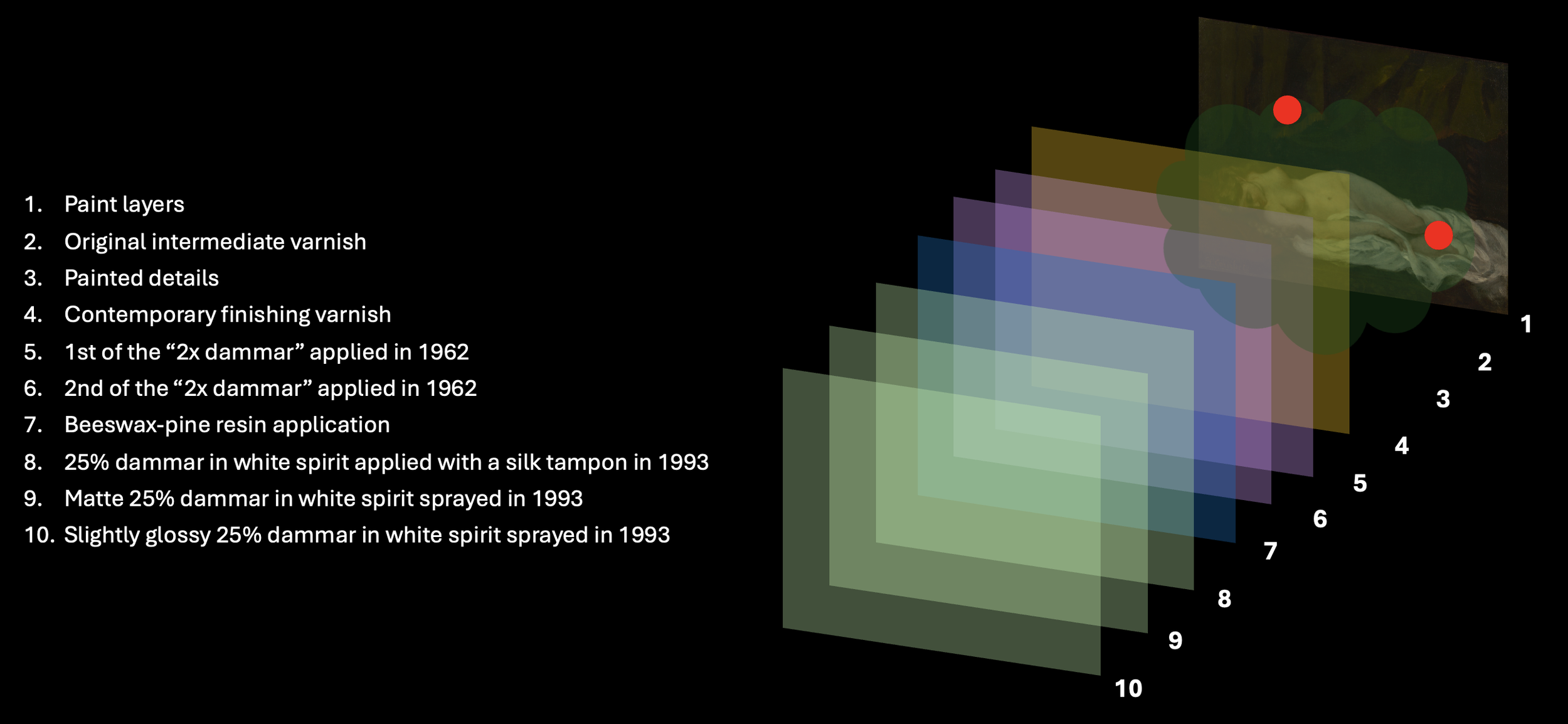
The painting does not possess a single, uniform coating but rather a multi-layered system. Archival research, visual inspection, and chemical analysis revealed a stratigraphy that includes an original intermediate varnish, applied by Courbet himself between paint layers, and a finishing varnish that is likely original or contemporary to the artist. Above these reside later restoration coatings, including a beeswax-containing layer identified via GC-MS. The presence of original materials within this stack means that a complete varnish removal would risk stripping away original materials.
The Intermingled Interface
Cross-section analysis highlighted a critical technical obstacle: the lack of clear boundaries between the paint film and the varnish layers. This intermingled interface means the varnish has partially saturated and integrated with the upper paint layers. Any chemical intervention must navigate this transition zone carefully to avoid mobilizing original pigments or disrupting the structural integrity of the paint.
Similar Solubility Parameters
Extensive solubility testing revealed that the problematic beeswax-resin layer and the underlying original or contemporary varnishes respond to the same types of organic solvents. Because their solubility parameters are nearly identical, it is unfeasible to selectively dissolve the non-original haze-producing layer without also affecting the stable, original coatings beneath. The entire varnish stack essentially reacts as a single unit.
Partial Varnish Removal
Given that the unstable beeswax-containing coating must be removed, but targeted removal was not feasible, a traditional cleaning approach was deemed too risky. The strategy shifted from "removal" to a meticulous thinning operation.
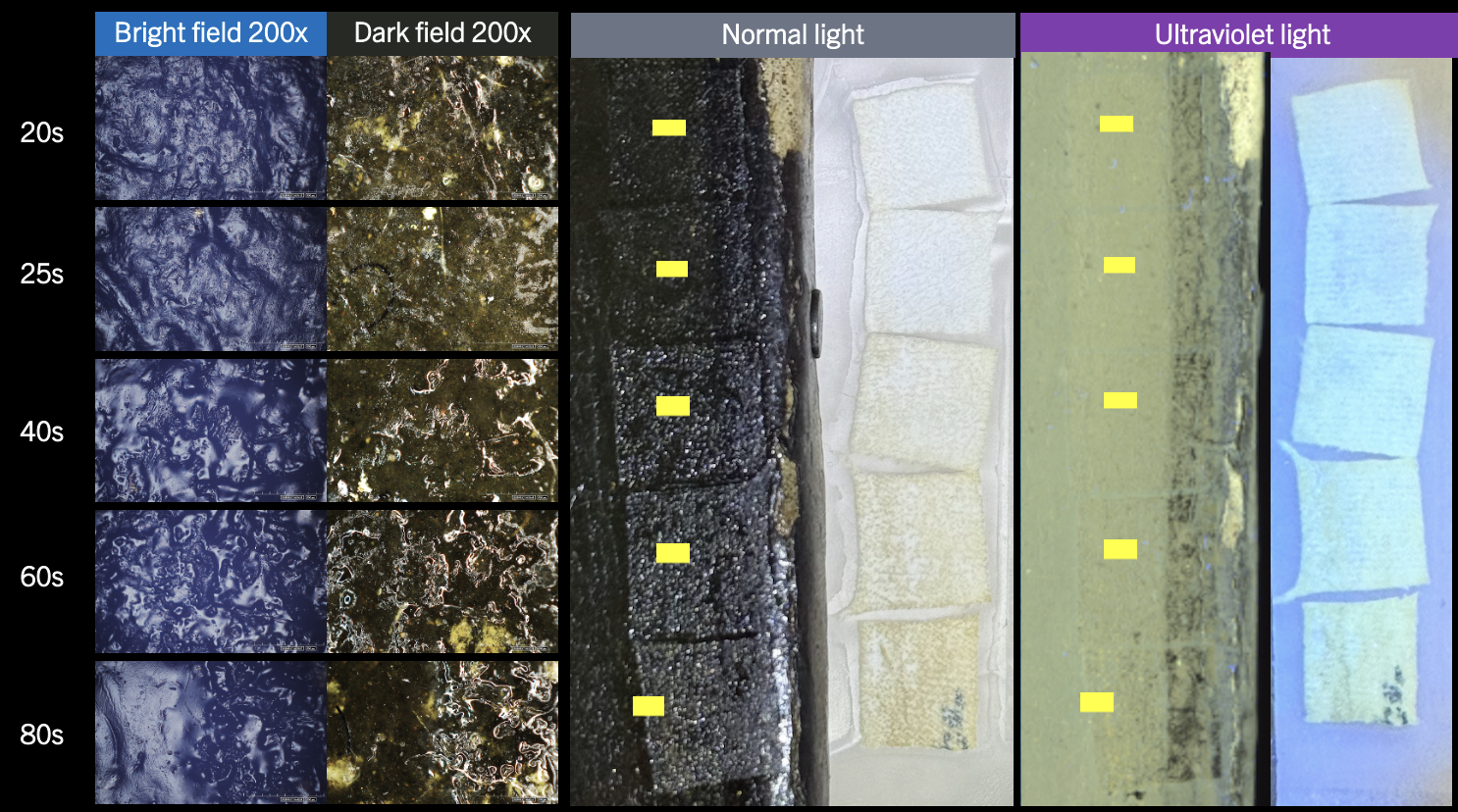
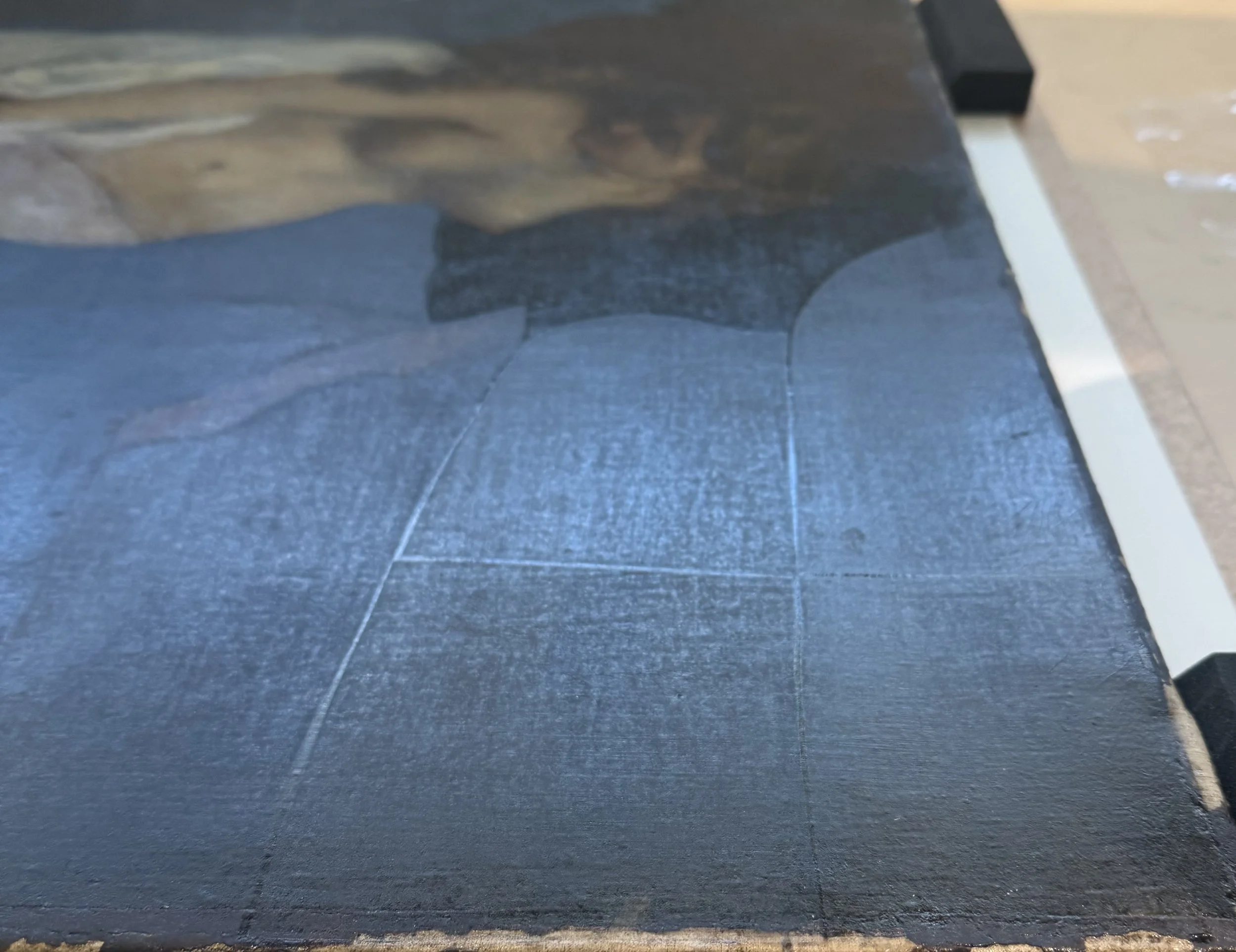
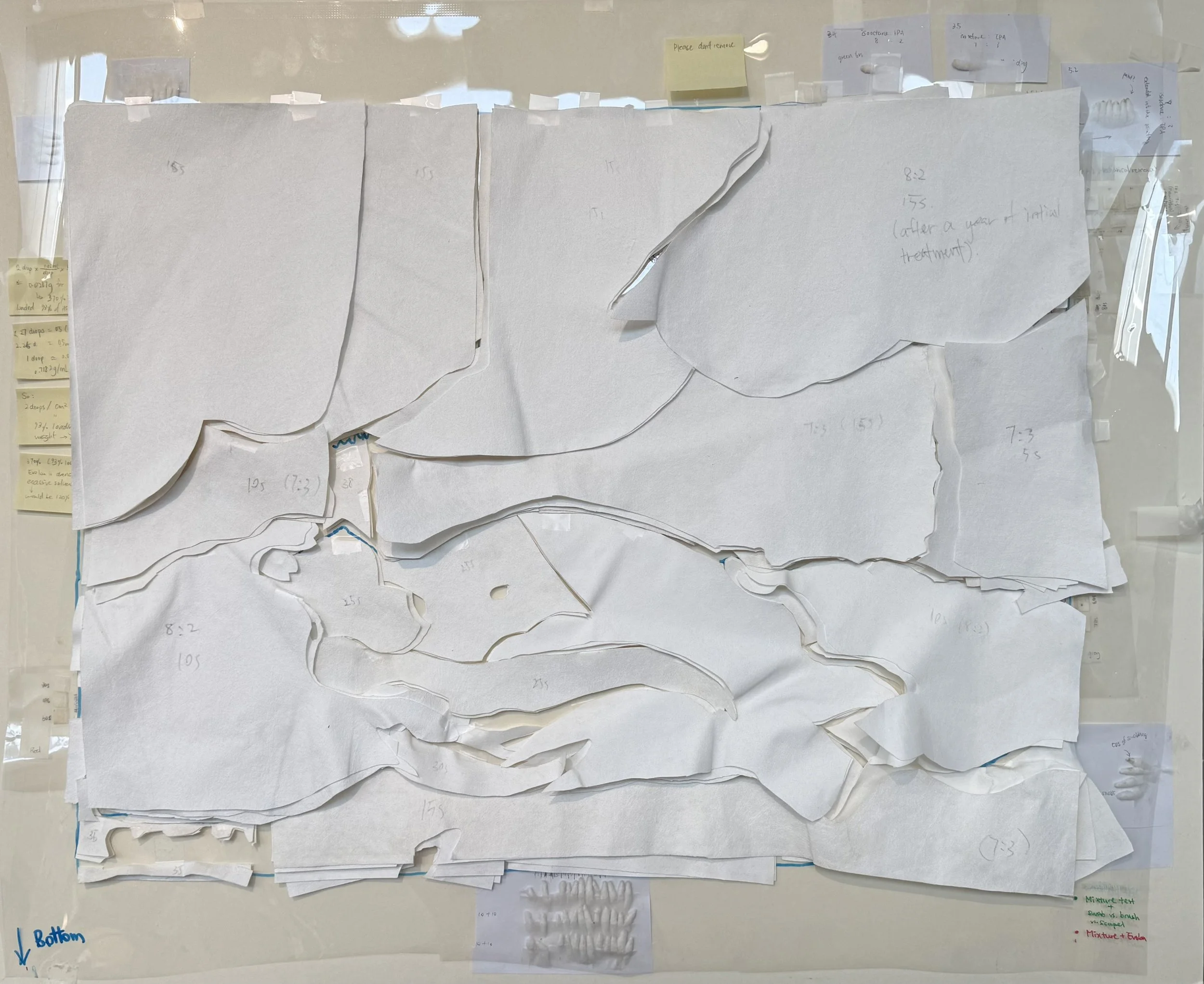
This partial varnish removal was designed to maximize the reduction of the beeswax layer and clear the optical haze while leaving the original varnish intact. Achieving this required developing a slow-acting solvent system, specifically a 7:3 mixture of isooctane and isopropanol, to provide sufficient working time for controlled manipulation. This approach ensured that the aesthetic legibility could be restored without compromising the complex, intermingled stratigraphy of Courbet’s original work.
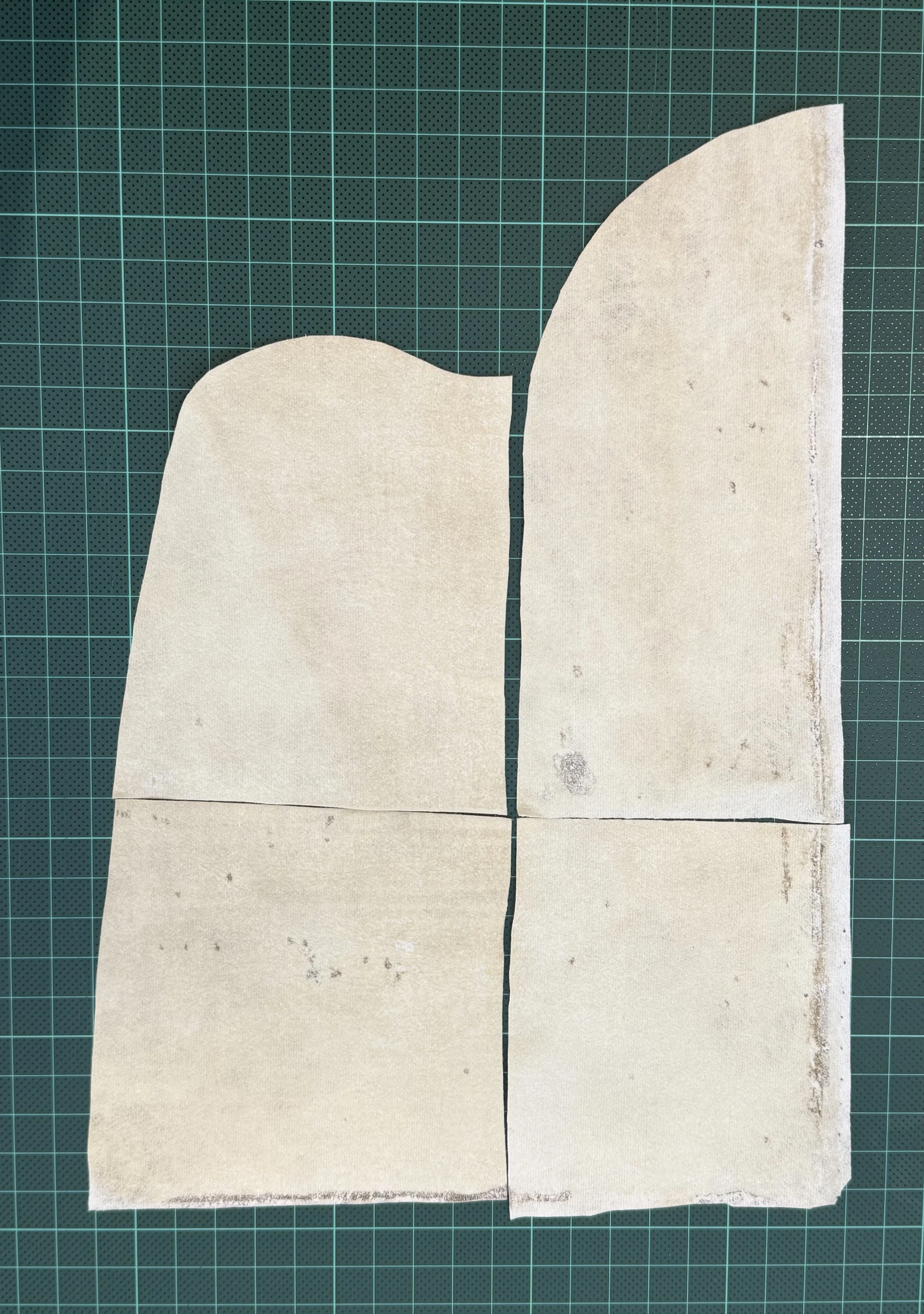
In addition to selecting an appropriate solvent mixture, the application method was rigorously tested to maximize precision. Evolon® CR tissues were identified as the optimal delivery system, yielding the most consistent and uniform results compared with alternative methods. This technique enables targeted thinning of non-original surface layers while preserving the underlying material. The extent of the reduction is tracked through the amount and colour of materials absorbed by the tissues, as well as shifts in surface gloss and UV fluorescence. High-magnification microscopy further enables visual tracking of layer removal: the unstable waxy material presents a smooth, silky surface, whereas the underlying varnish layer exhibits a significantly rougher topography.
Varnishing and Retouching
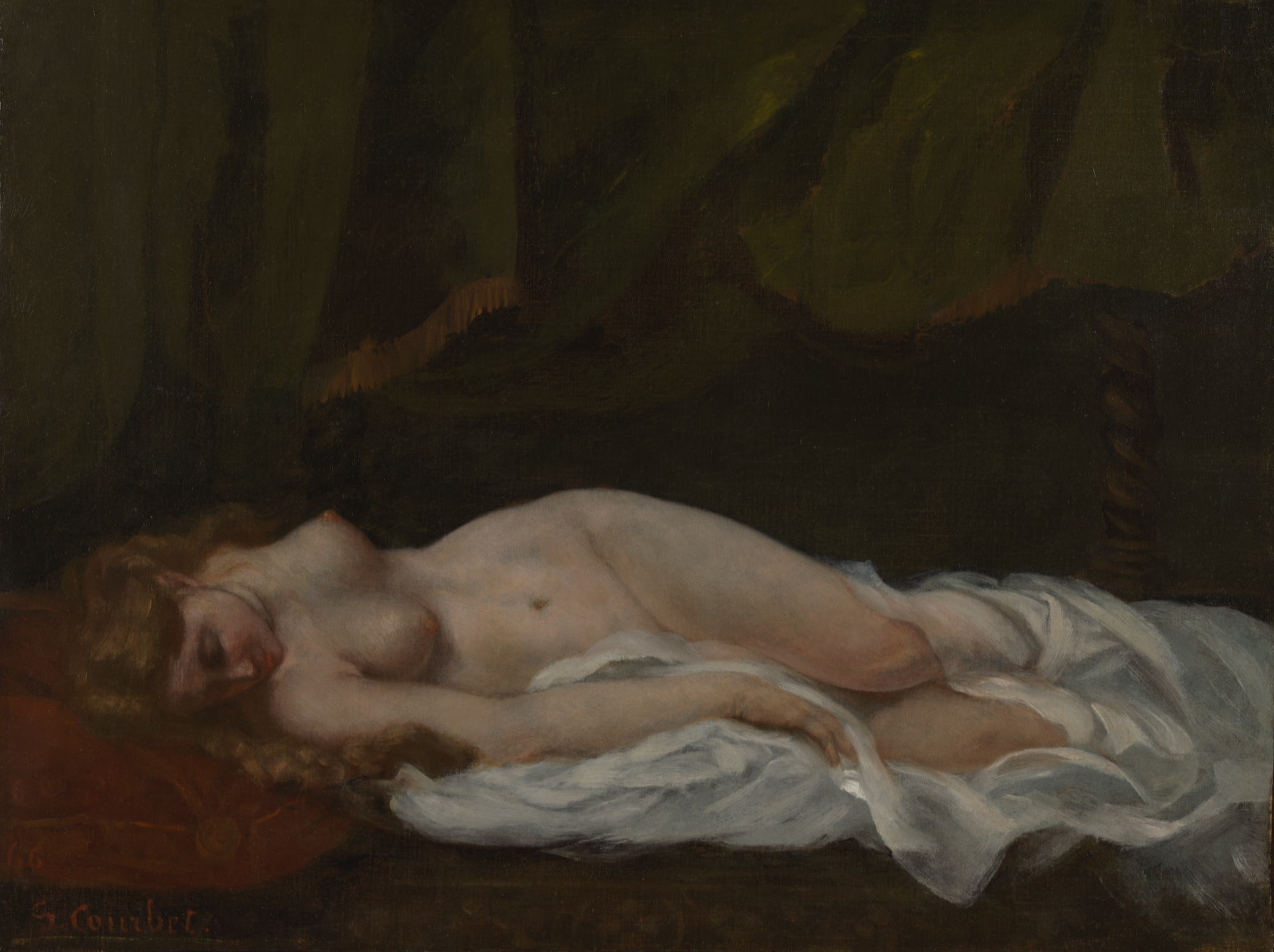
Following the varnish treatment, multiple assessments of various varnishes were conducted. The results indicated that nearly all substances were penetrating the surface. This outcome is reasonable given that the remaining varnishes were considerably aged and degraded. Ultimately, a viscous varnish composed of 20% Paraloid B72 in Xylene was applied to mitigate the sinking-in effect, although a distinction between matte and gloss finishes persisted.
Above the intermediate varnish layer, the initial retouching was executed employing QOR conservation colours. The artwork experienced extensive overcleaning, complicating the retouching process. It was necessary to strike a balance between visual harmony, the preservation of the original paint surface, and its intricate restoration history. Two additional versions of the painting were heavily referenced to align the brushwork more closely with Courbet's.
Upon completion of visual reintegration, the painting was sprayed with a 10% Regalrez 1094 varnish. A spray varnish was chosen to keep the varnish on the surface longer and to even out the matte-gloss difference.
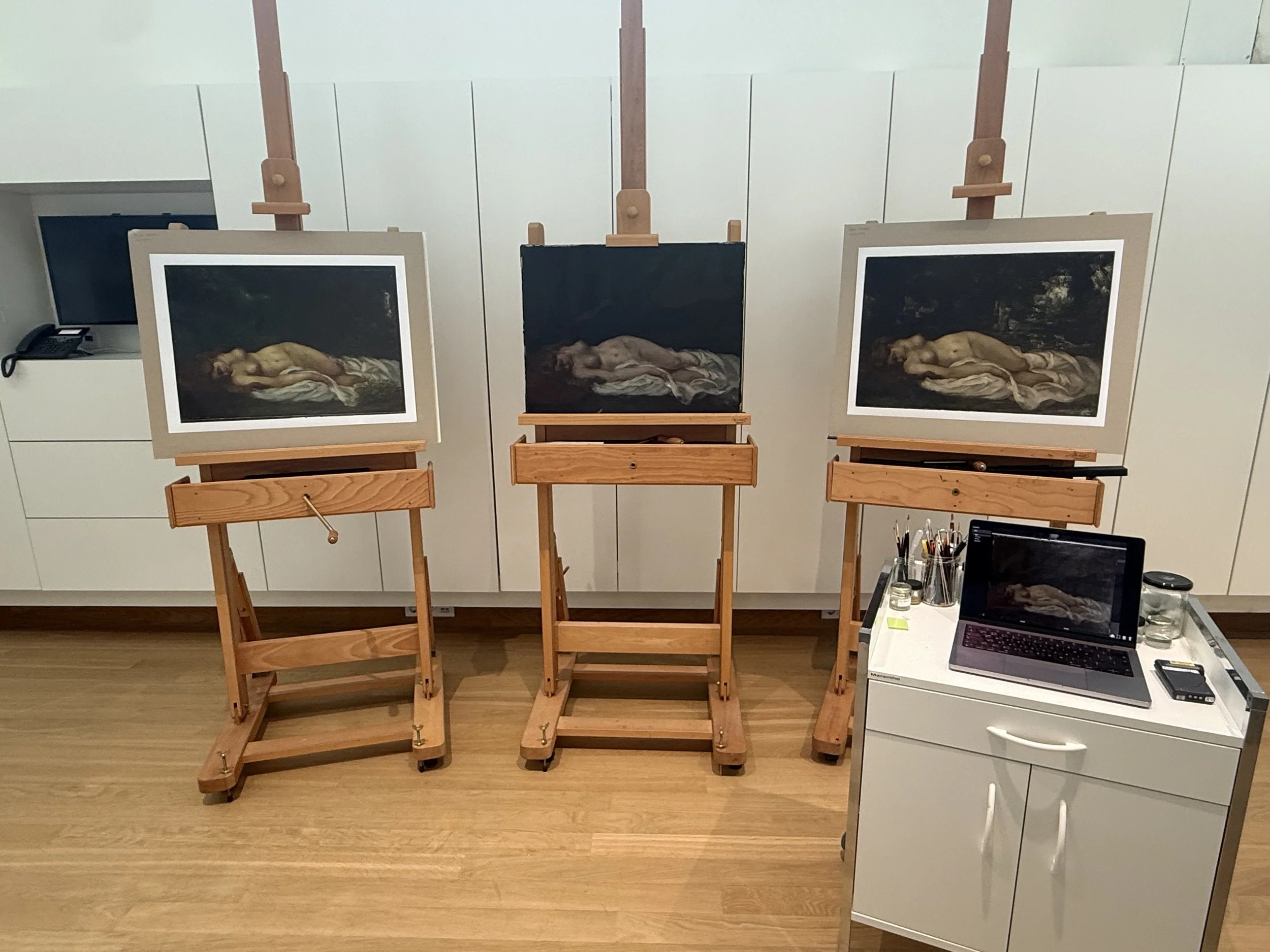
Before & After