

Sleeping Girl
-
Object: Oil on canvas
Title: Sleeping Girl
Artist: Gustave Courbet (1819-1877)
Date: 1866
Dimensions: 50.2 × 65.5 cm
Collection: The Mesdag Collection, The Hague
-
The primary motivation for this project was a widespread, visually disruptive hazy appearance across the surface. The initial focus of the research was to identify the physical location and nature of this haze to determine a safe and effective treatment strategy. Investigation revealed that the haze originated within the varnish layers, which proved to be exceptionally problematic due to their extreme sensitivity.
The varnish was found to be a complex, multi-layered system that likely includes original or contemporary material. This system is highly reactive, exhibiting a low melting point and a heightened sensitivity to both heat and a wide range of organic solvents. Consequently, the research focus shifted toward a detailed characterization of the varnish buildup to ensure that any cleaning or removal strategies would not compromise the integrity of any original materials while restoring the legibility of the painting.
-
The research followed a progressive trajectory, utilizing a suite of analytical tools to navigate the significant material challenges of the work:
Haze visulization and characterization:
Reflectance Transformation Imaging (RTI): RTI coupled with Photoshop enabled precise visualization and correlation of the haze's distribution patterns across the surface texture, which was fundamental in diagnosing the development of the phenomenon.
HIROX microscopy: Identified the haze as a physical and optical phenomenon localized within the varnish and confirmed the presence of an original intermediate varnish situated between paint applications.
Stratigraphy and Material Analysis: Scientific investigations provided a detailed blueprint of the complex stratigraphy:
Cross-section and ATR-FTIR: Revealed the multi-layered nature of the varnish system and characterized the materials used. These analyses also identified an intermingled interface between the paint layer and the varnish system.
GC-MS: Enabled high-precision material identification of the varnish system and determined the cause of the haze to be the presence of a beeswax-containing surface coating.
-
Goal: To stabilize the varnish and restore the legibility of the painting by removing the problematic components without compromising any original materials.
The treatment is exceptionally complicated due to the highly sensitive nature of the varnish system, the presence of original varnish(es), and the intermingled nature of the paint and varnish layers. Additionally, solubility tests revealed that the entire varnish stack is soluble in the same types of solvents, making targeted removal based on differing solubility parameters unfeasible.
The approach then shifted to a partial varnish removal, treating the layers as a single unit. The focus was on identifying a slow-acting solvent system to enable controlled manipulation. A meticulous, multi-step, and time-sensitive method was developed. This adaptive technique used a combination of Evolon® CR tissues, small brushes, and a sequence of solvents with varying polarities, all under continuous monitoring to protect the underlying original layers.
Research
visualization + Characterization
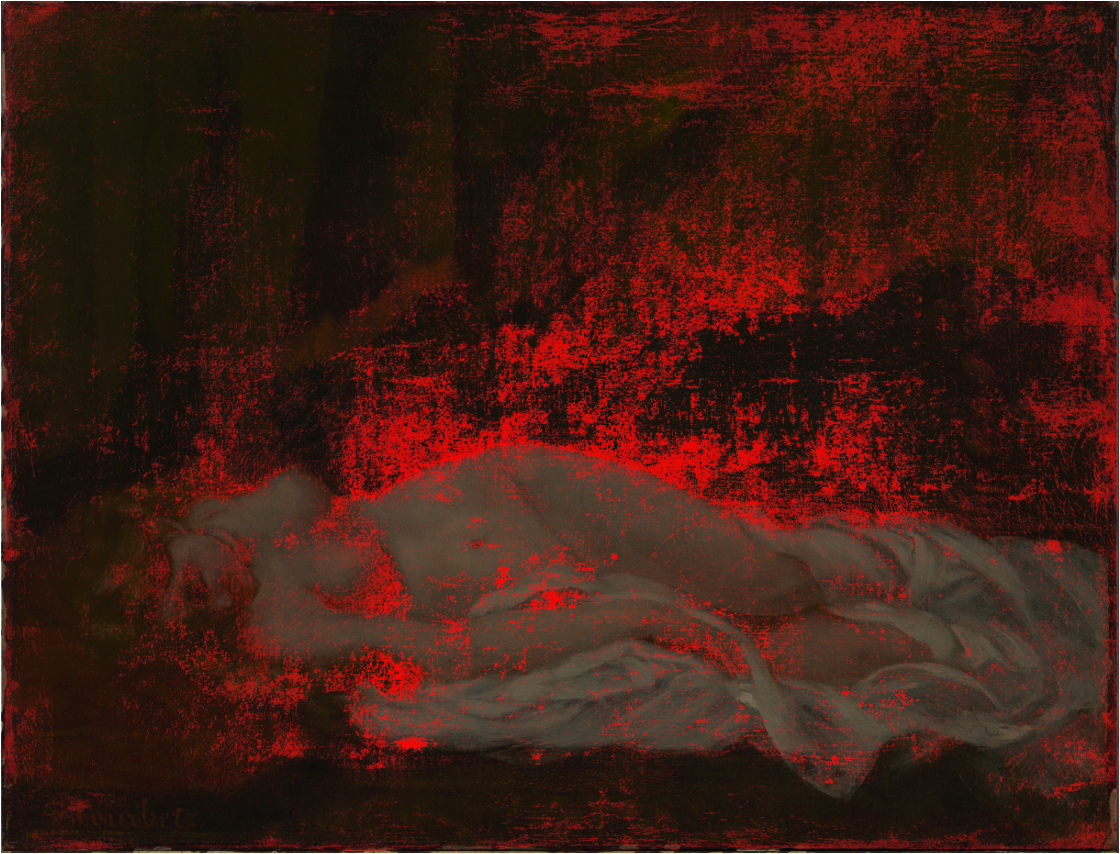
RTI and Photoshop Mapping
Reflectance Transformation Imaging (RTI) was utilized to emphasize the painting’s surface topography through the manipulation of digital light sources. By coupling these results with Photoshop mapping, a precise visualization was created to correlate the distribution of the hazy appearance with the underlying texture of the paint and varnish. This mapping was fundamental in diagnosing how the haze spread across the composition's topography.
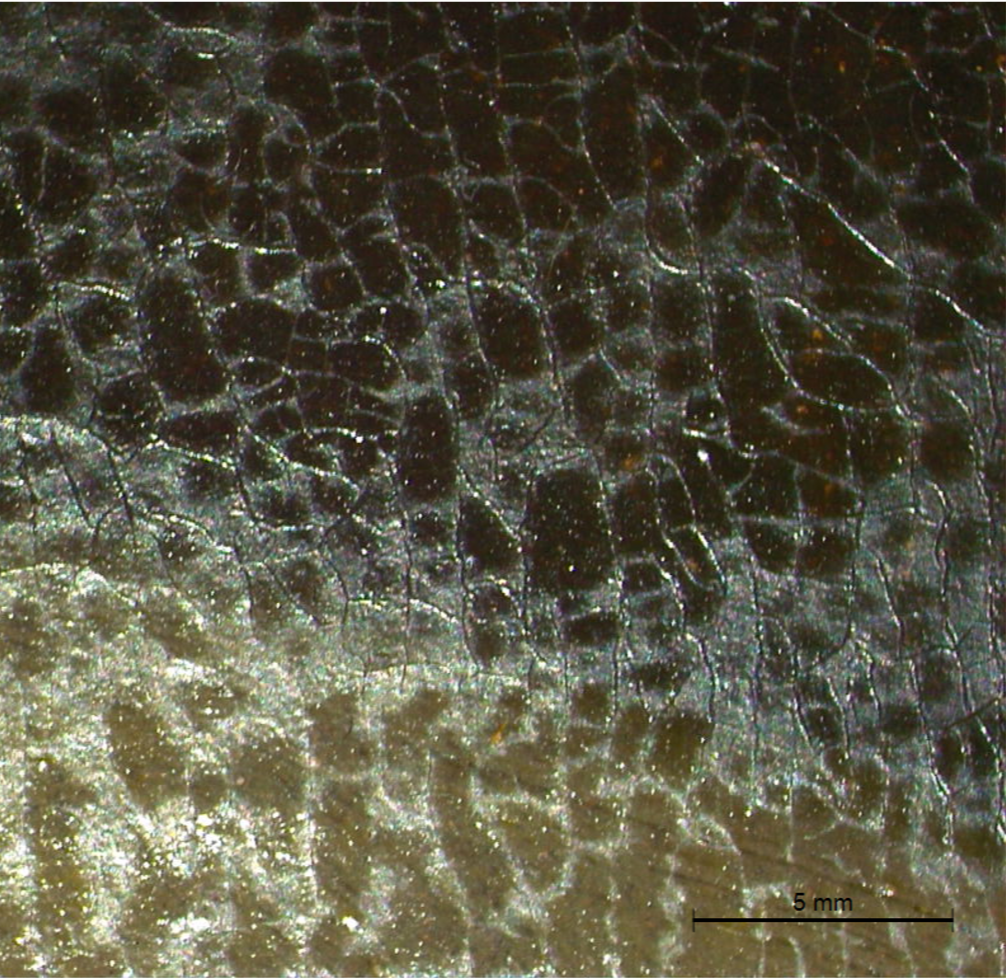
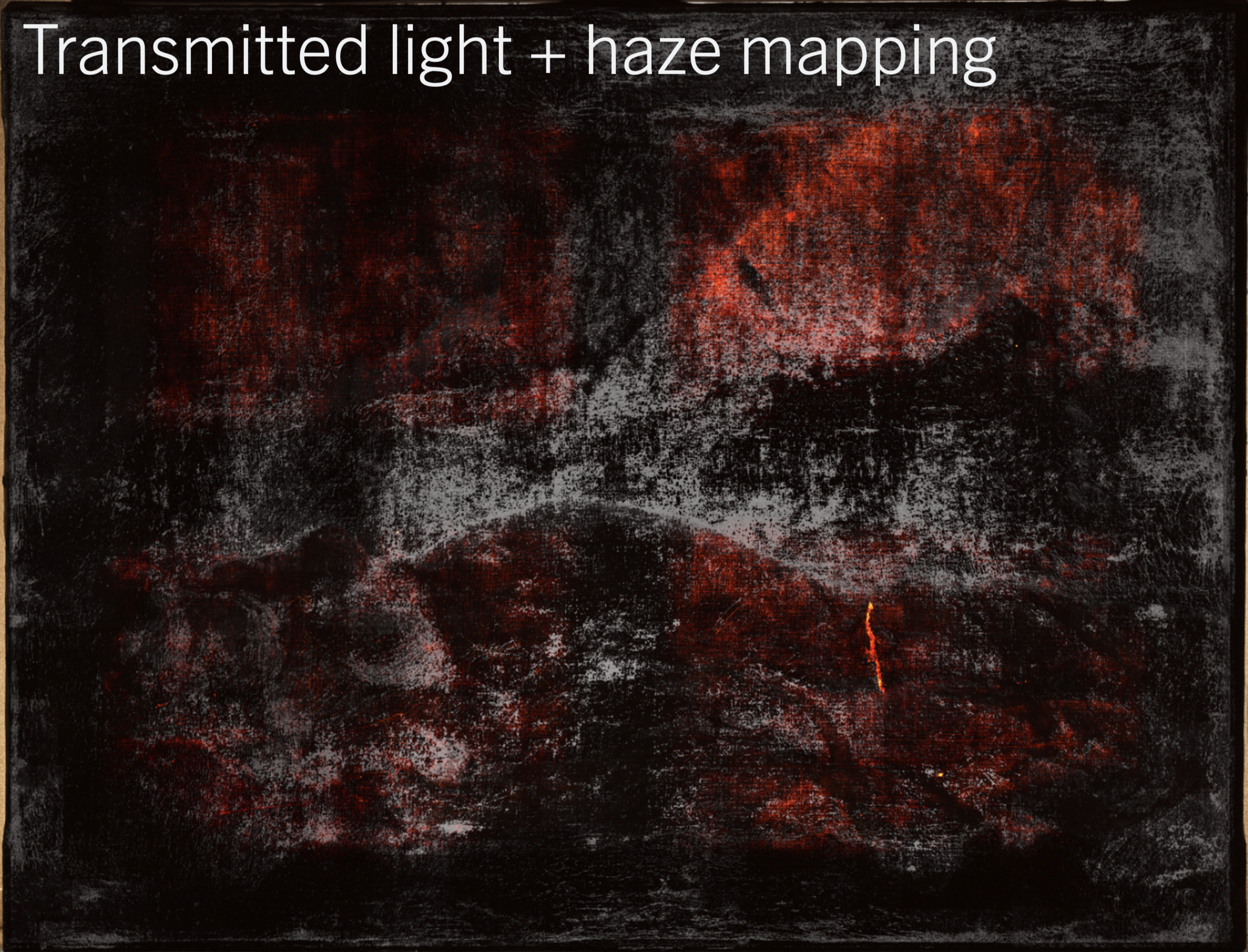
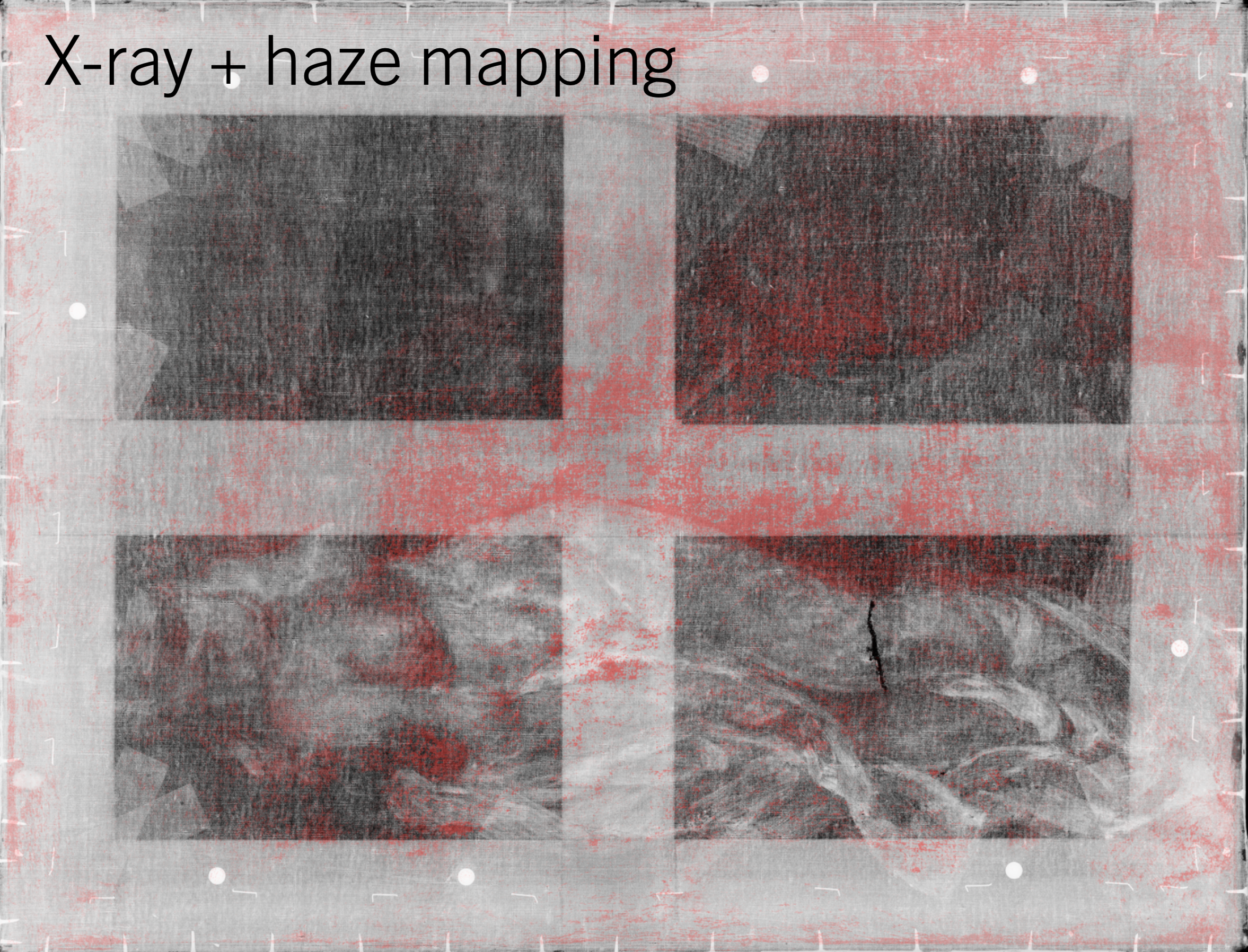
Image Analysis
Multi-spectral overlay and image mapping established that the haze is not randomly distributed but follows specific structural and topographical patterns. The phenomenon primarily develops along the fine craquelure network of the varnish and deep, through-layer cracks that penetrate the stratigraphy. Haze mapping further reveals that the disruption is more concentrated in thinner, more porous paint passages. When the haze map is overlaid with X-ray data, the patterns align with the areas of less densed paint.
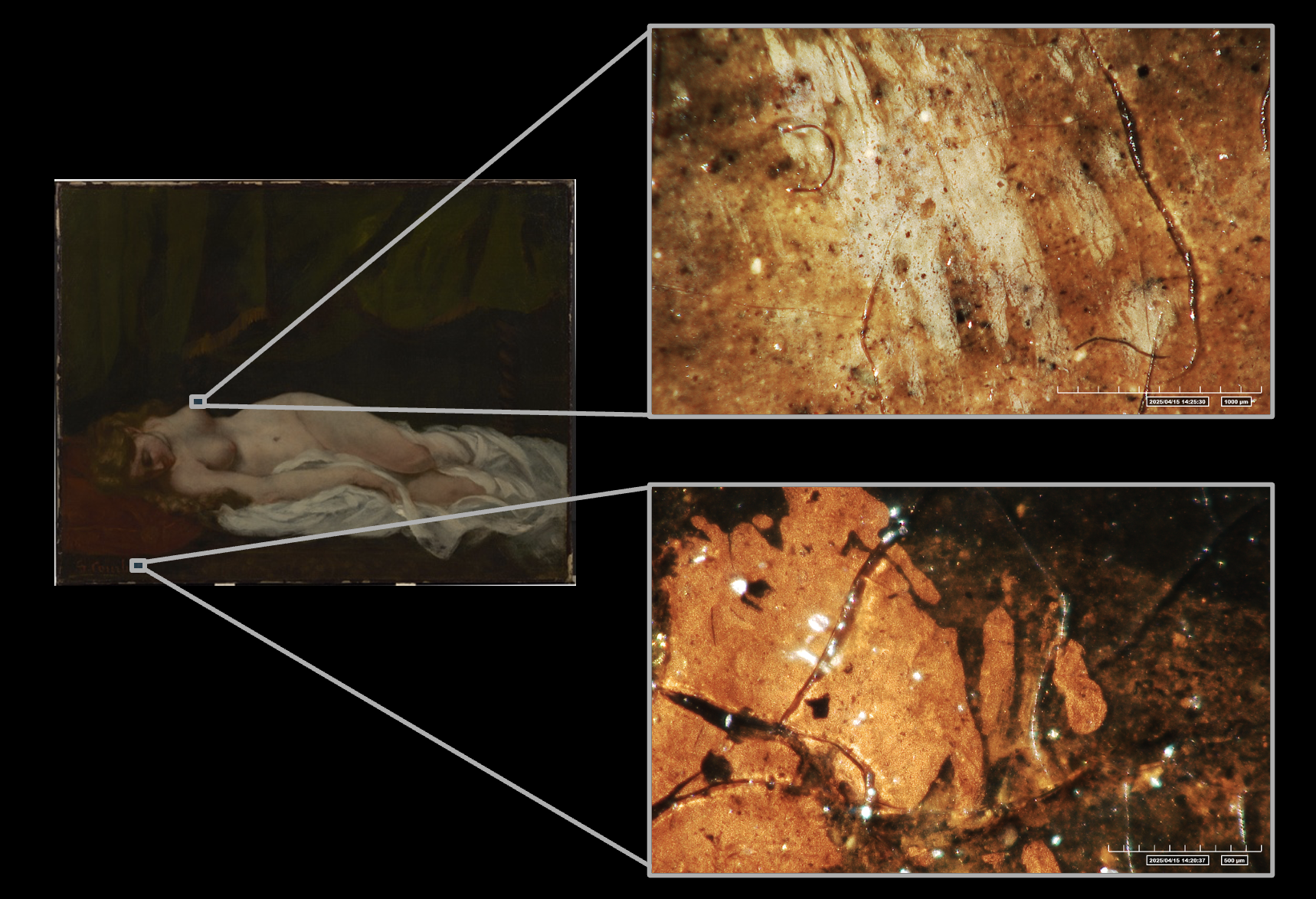
Hirox Digital Microscopy
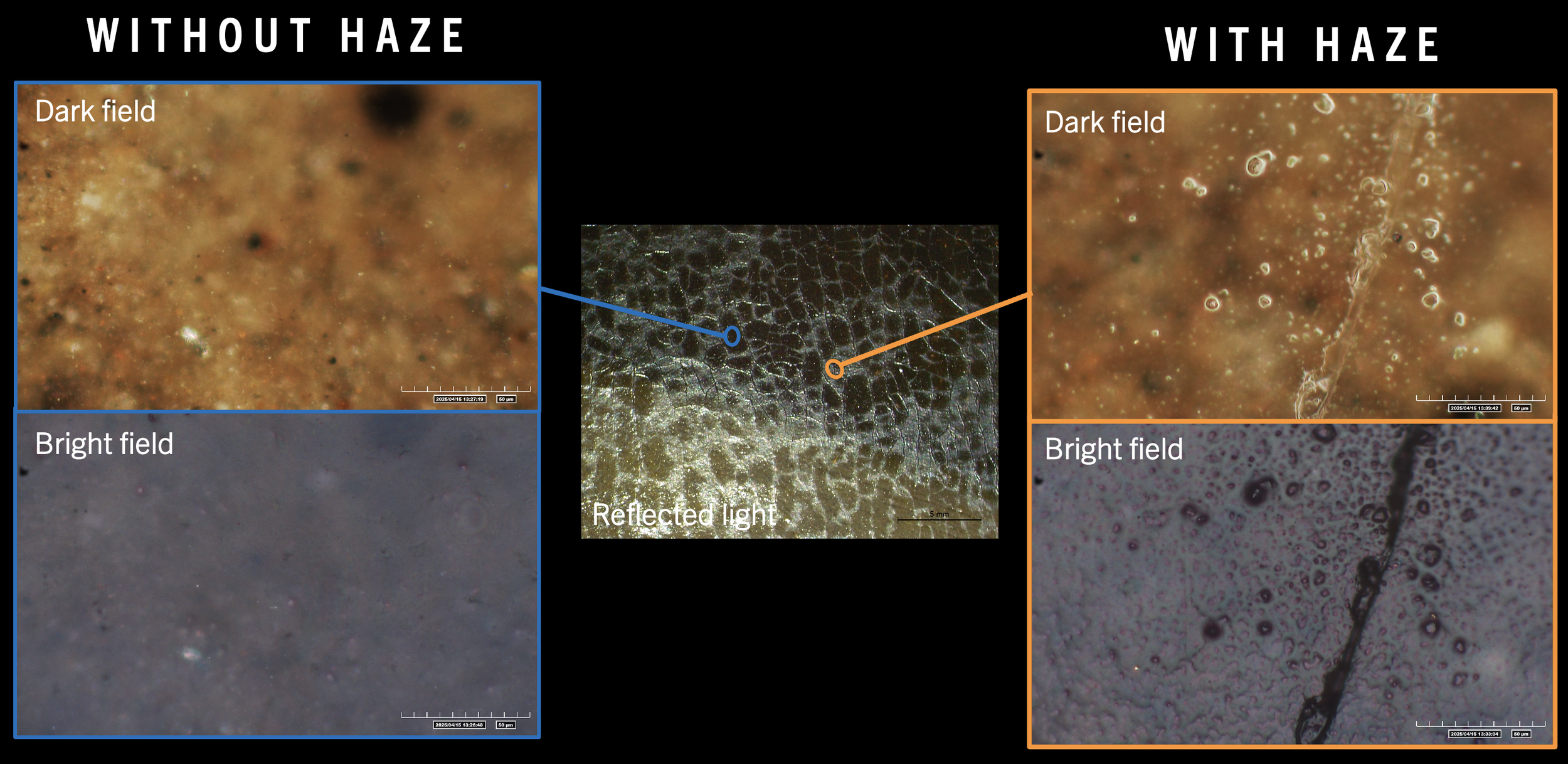
The use of Hirox digital microscopy allowed for high-magnification surface examination, which identified the haze as both a physical and optical phenomenon localized within the varnish. Furthermore, this analysis elucidated Courbet’s complex technique by identifying an original intermediate varnish layer situated between distinct paint applications.
Analysis
Cross-Section and ATR-FTIR Analysis
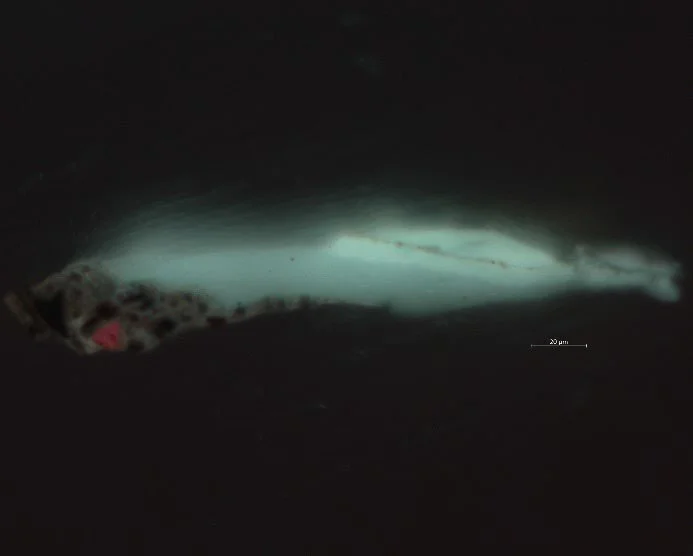
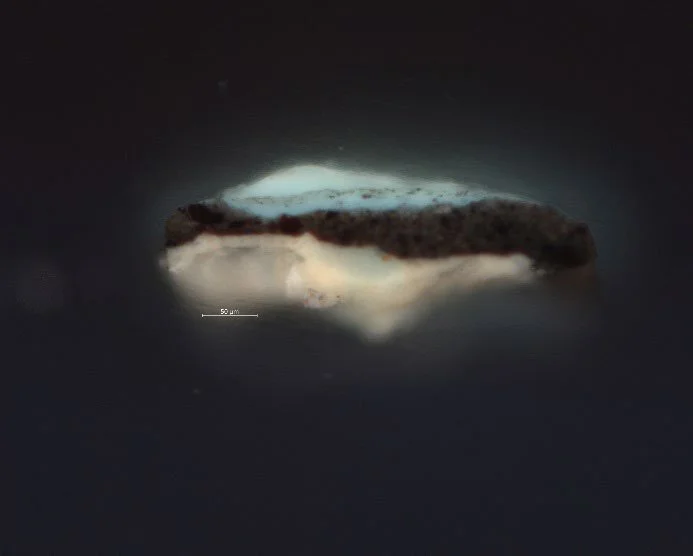
Samples were taken to provide a detailed view of the painting’s stratigraphy. Cross-section analysis, combined with Attenuated Total Reflectance Fourier-Transform Infrared spectroscopy (ATR-FTIR), identified the multi-layered nature of the varnish system and characterized the materials involved. These techniques also revealed a complicated, intermingled interface where the paint and varnish layers meet.
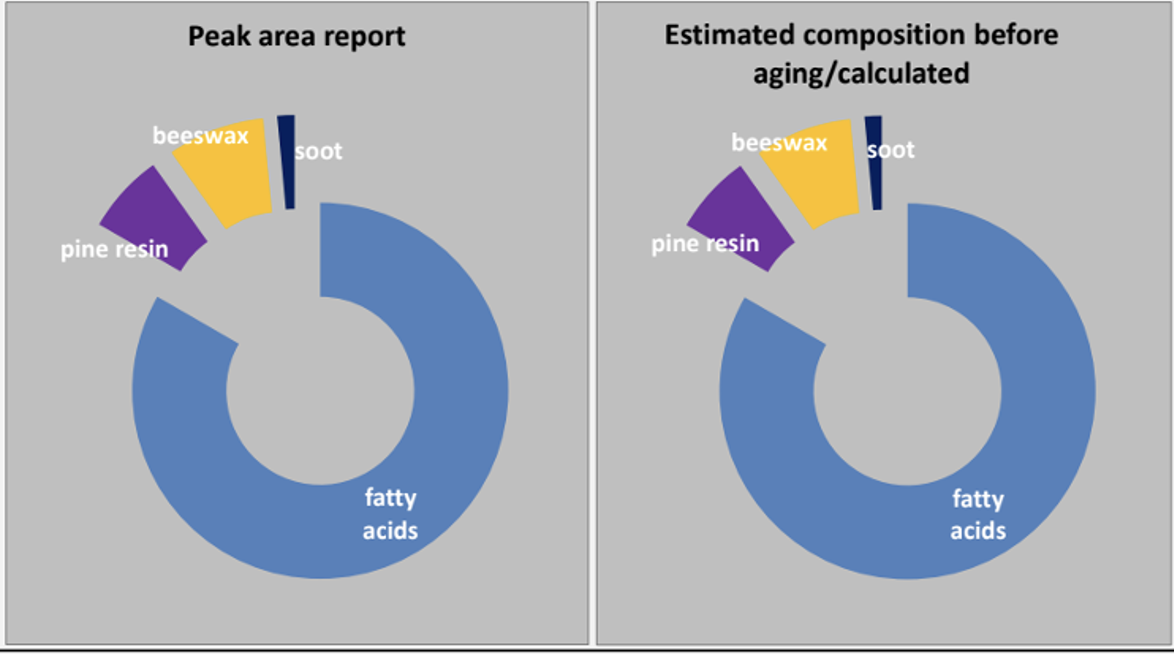
(GC-MS) Analysis
Gas Chromatography–Mass Spectrometry (GC-MS) was employed for high-precision molecular identification of the surface coatings. This analysis was instrumental in determining that the primary cause of the hazy appearance was a beeswax-containing surface coating. The identification of these organic components was vital for establishing the specific chemical sensitivities of the varnish system.
Cause of haze
The investigation of the painting's widespread hazy appearance established a direct link between its complex stratigraphy and its current material instability. By synthesizing visual mapping with chemical analysis, the research identified the specific mechanism driving this optical degradation.
The Material Basis of the Haze
The physical evidence suggests that the haze is an internal structural failure. GC-MS analysis identified a layer of beeswax and pine resin. Beeswax’s low thermal stability (softening at temperatures as low as 33°C) indicates a highly reactive surface. This material sensitivity explains why the haze has developed, as even minor environmental shifts can trigger physical changes in such a low-melting-point system.
The Mechanism: Thermal Propagation and Evaporation
The distribution patterns captured by RTI provide physical evidence regarding the mechanism of this material failure. The haze is concentrated along the fine varnish craquelure and deep through-layer cracks, which acted as conduits for environmental triggers. These apertures likely allowed heat and moisture to penetrate the stratigraphy more effectively than in sealed areas, facilitating the evaporation of volatile components and inducing morphological changes within the wax-resin mixture.
Optical Interference through Micro-Voids
The results of the Hirox digital microscopy at 1500x magnification confirm this theory by revealing a stark contrast in topography: while clear areas remain smooth, hazy regions are fractured and densely populated with microscopic voids. These voids are the physical remnants of the evaporation process. When light hits these irregular, granular surfaces, it is scattered diffusely rather than passing through to the paint layer, creating the cloudy, opaque effect observed across 50% of the painting’s surface.
Topographical Vulnerability
The correlation between the haze and thinner, more porous paint passages further supports this mechanism. Thinner paint films provide less of a barrier to heat transfer from the substrate, and higher porosity allows greater interaction between the wax coating and the underlying layers. This indicates that the painting’s own physical structure dictated the severity of the wax crystallization, as seen in the precise alignment between the haze mapping and the paint density revealed in X-ray imaging.
Treatment
challenges
1
The treatment of Sleeping Girl is exceptionally complicated due to the intricate nature of the varnish system and their physical relationship with the original paint film. A safe and effective intervention required a deep understanding of three primary challenges:
Varnish Stratigraphy and Original Material
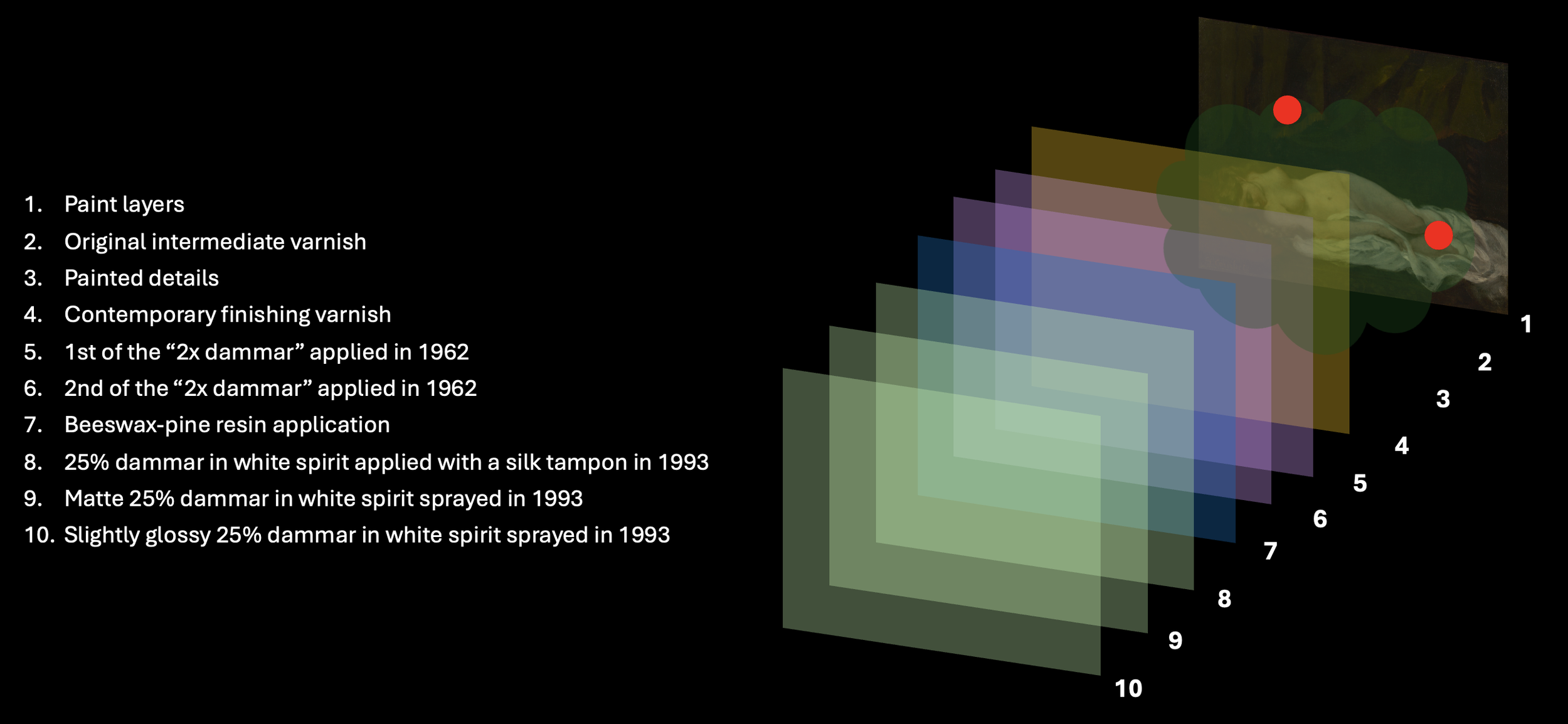
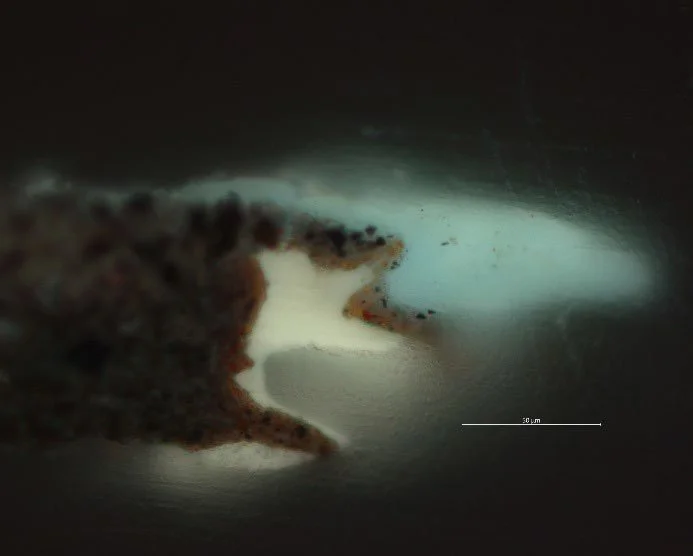
The painting does not possess a single, uniform coating but rather a multi-layered system. Archival research, visual inspection, and chemical analysis revealed a stratigraphy that includes an original intermediate varnish, applied by Courbet himself between paint layers, and a finishing varnish that is likely original or contemporary to the artist. Above these reside later restoration coatings, including a beeswax-containing layer identified via GC-MS. The presence of original materials within this stack means that a complete varnish removal would risk stripping away original materials.
The Intermingled Interface
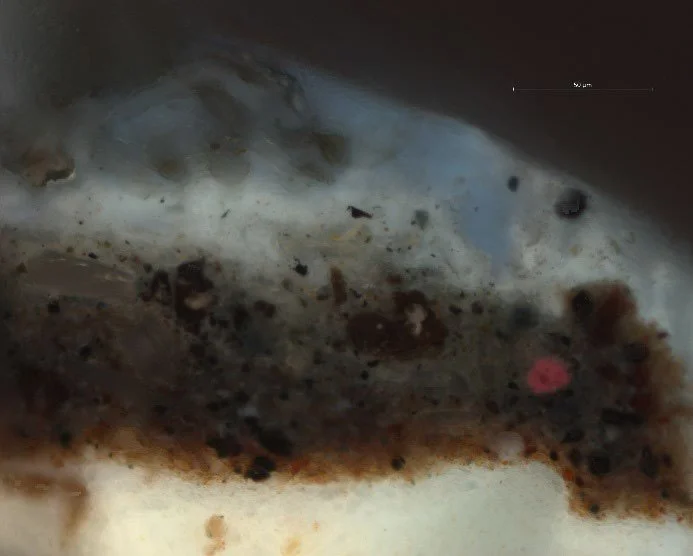
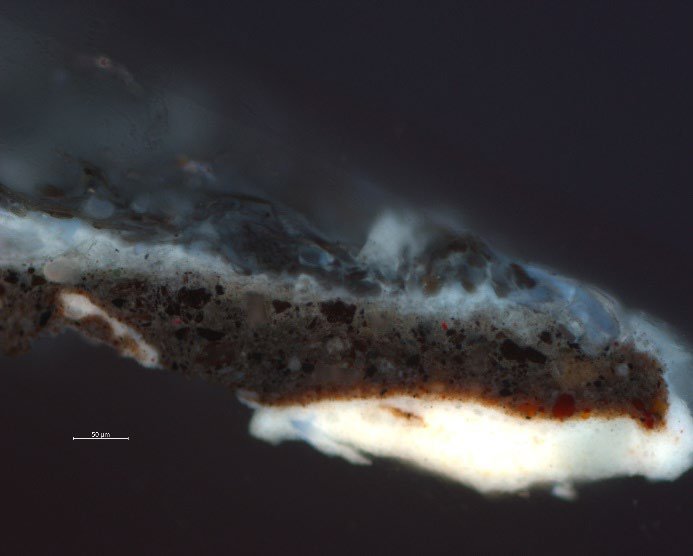
Cross-section analysis highlighted a critical technical obstacle: the lack of clear boundaries between the paint film and the varnish layers. This intermingled interface means the varnish has partially saturated and integrated with the upper paint layers. Any chemical intervention must navigate this transition zone carefully to avoid mobilizing original pigments or disrupting the structural integrity of the paint.
Similar Solubility Parameters
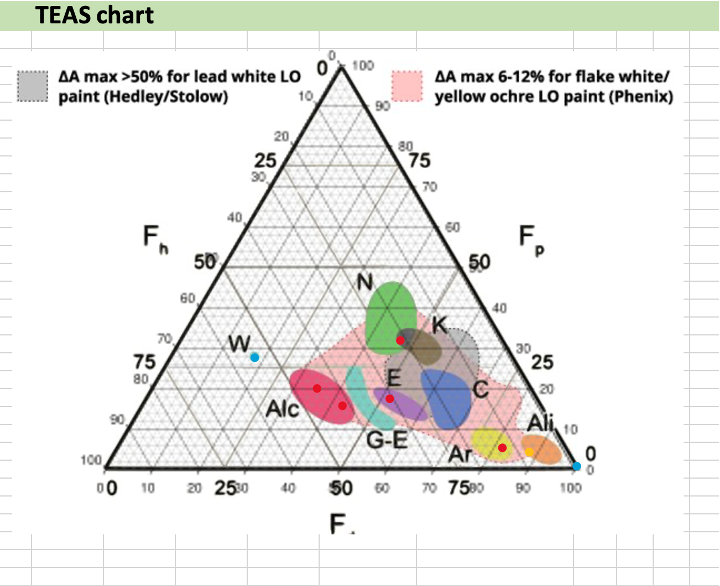
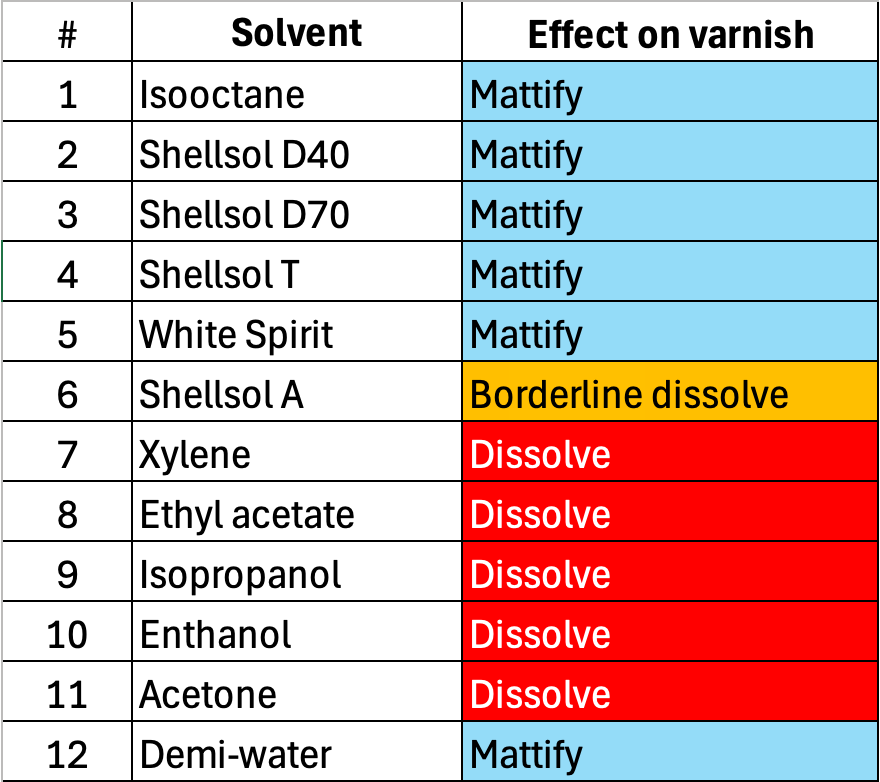
Extensive solubility testing revealed that the problematic beeswax-resin layer and the underlying original or contemporary varnishes respond to the same types of organic solvents. Because their solubility parameters are nearly identical, it is unfeasible to selectively dissolve the non-original haze-producing layer without also affecting the stable, original coatings beneath. The entire varnish stack essentially reacts as a single unit.
Partial Varnish Removal
Given that the unstable beeswax-containing coating must be removed, but targeted removal was not feasible, a traditional cleaning approach was deemed too risky. The strategy shifted from "removal" to a meticulous thinning operation.
This partial varnish removal was designed to maximize the reduction of the beeswax layer and clear the optical haze while leaving the original varnish intact. Achieving this required developing a slow-acting solvent system, specifically a 7:3 mixture of isooctane and isopropanol, to provide sufficient working time for controlled manipulation. This approach ensured that the aesthetic legibility could be restored without compromising the complex, intermingled stratigraphy of Courbet’s original work.
In addition to selecting an appropriate solvent mixture, the application method was rigorously tested to maximize precision. Evolon® CR tissues were identified as the optimal delivery system, yielding the most consistent and uniform results compared with alternative methods. This technique enables targeted thinning of non-original surface layers while preserving the underlying material. The extent of the reduction is tracked through the amount and colour of materials absorbed by the tissues, as well as shifts in surface gloss and UV fluorescence. High-magnification microscopy further enables visual tracking of layer removal: the unstable waxy material presents a smooth, silky surface, whereas the underlying varnish layer exhibits a significantly rougher topography.
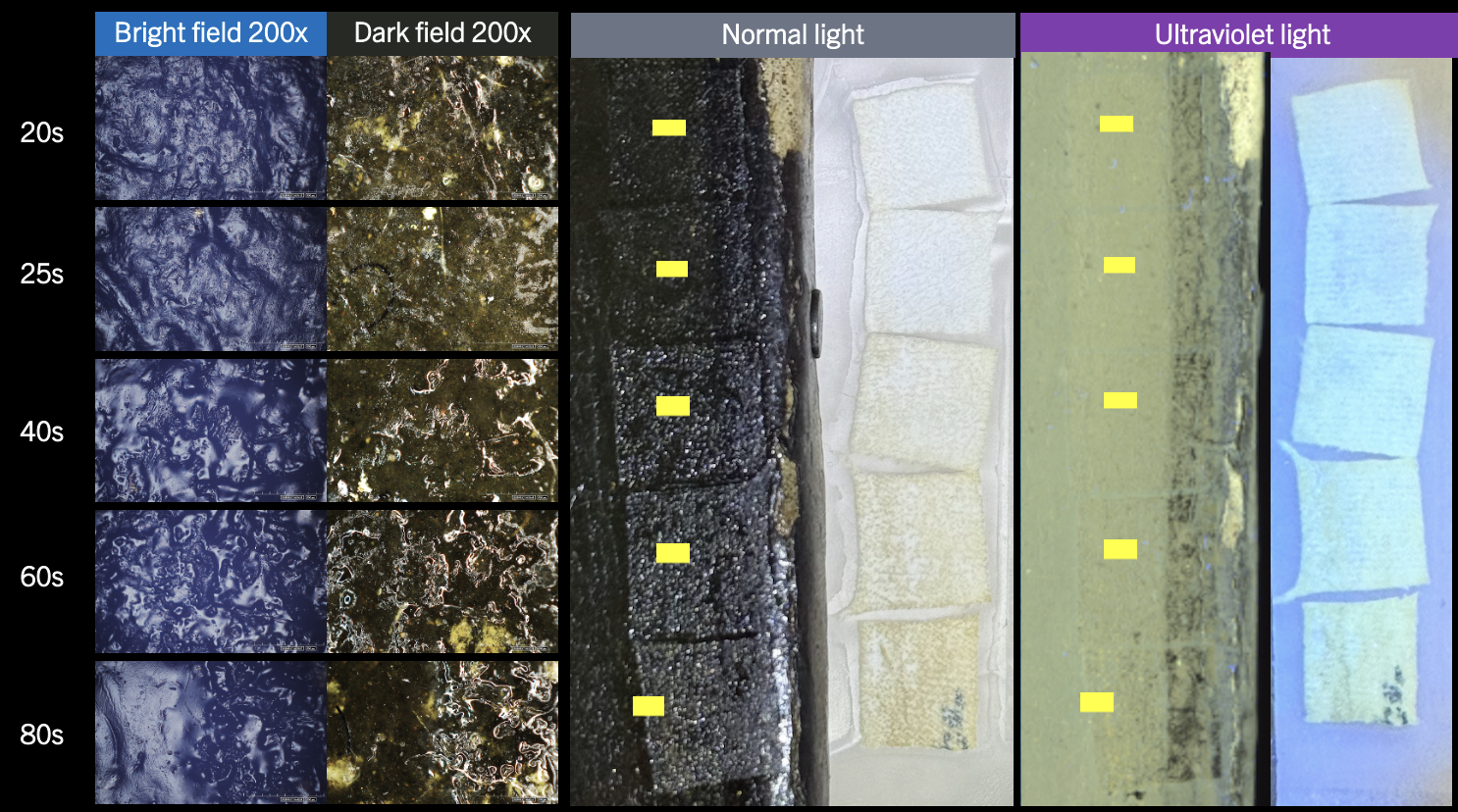
The next challenge involved managing the appearance of cleaning borders. Large Evolon sheets were avoided due to uneven varnish reduction caused by differing evaporation rates of the solvent components. Instead, treatment areas were kept to approximately 10 cm^2, with a narrow gap left between adjacent zones to prevent overcleaning.
To further improve surface uniformity, the protocol was refined by applying a larger Evolon patch over two adjacent treated areas shortly after their initial cleaning. This step used a lower-polarity 8:2 isooctane/isopropanol mixture for approximately 10 seconds, allowing solvent migration to soften and partially remove the border region.
Once the varnish solidified, the remaining cleaning borders were reduced under a microscope using UV raking light, and the entire section received a final application of the 8:2 mixture. Initial treatment times were slightly reduced to account for this cumulative exposure, ensuring the degree of thinning remained controlled. Although cleaning borders remained physically present, they became visually imperceptible after varnish saturation, consistent with the expected appearance after re-varnishing. To further disguise these transitions, treatment areas are mapped so that unavoidable borders coincide with strong compositional lines, significantly reducing their visual impact in the final appearance. The treatment had to be halted due to time constraints, but a detailed treatment protocol and plan have been established.