Landscapes
-
Object: Oil on canvas
Title: Landscapes
Artist: Agostino Brunias (1730-1796)
Date: Eighteenth century
Dimensions:
Landscape 1: 199 x 150.5 x 2 cm
Landcape 2: 198.7 x 146.3 x 2 cm
Collection: Private collection
-
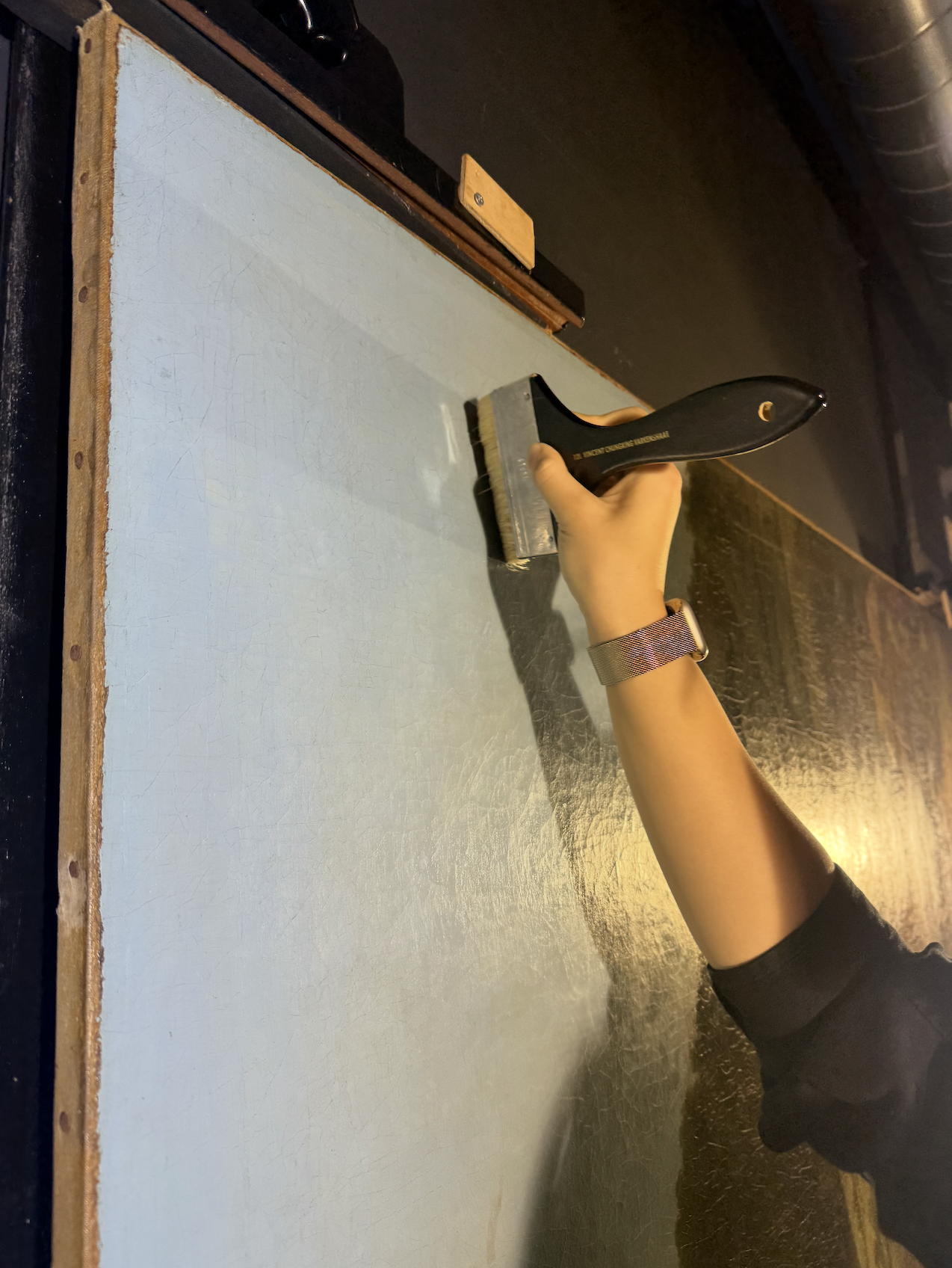
This conservation effort was a cooperative project. Upon joining the initiative, the painting was already in a stripped state, having undergone previous surface cleaning. The non-original varnish and accessible overpaint had been removed where feasible, though some overpaint was intentionally retained in areas where removal was deemed too hazardous to the original paint film. Additionally, old fills had been extracted when possible. Given the large scale of the work, extensive visual reintegration was required to restore aesthetic coherence.
-
Goal: to improve the aesthetics and the physical integrity of the painting.
Fills
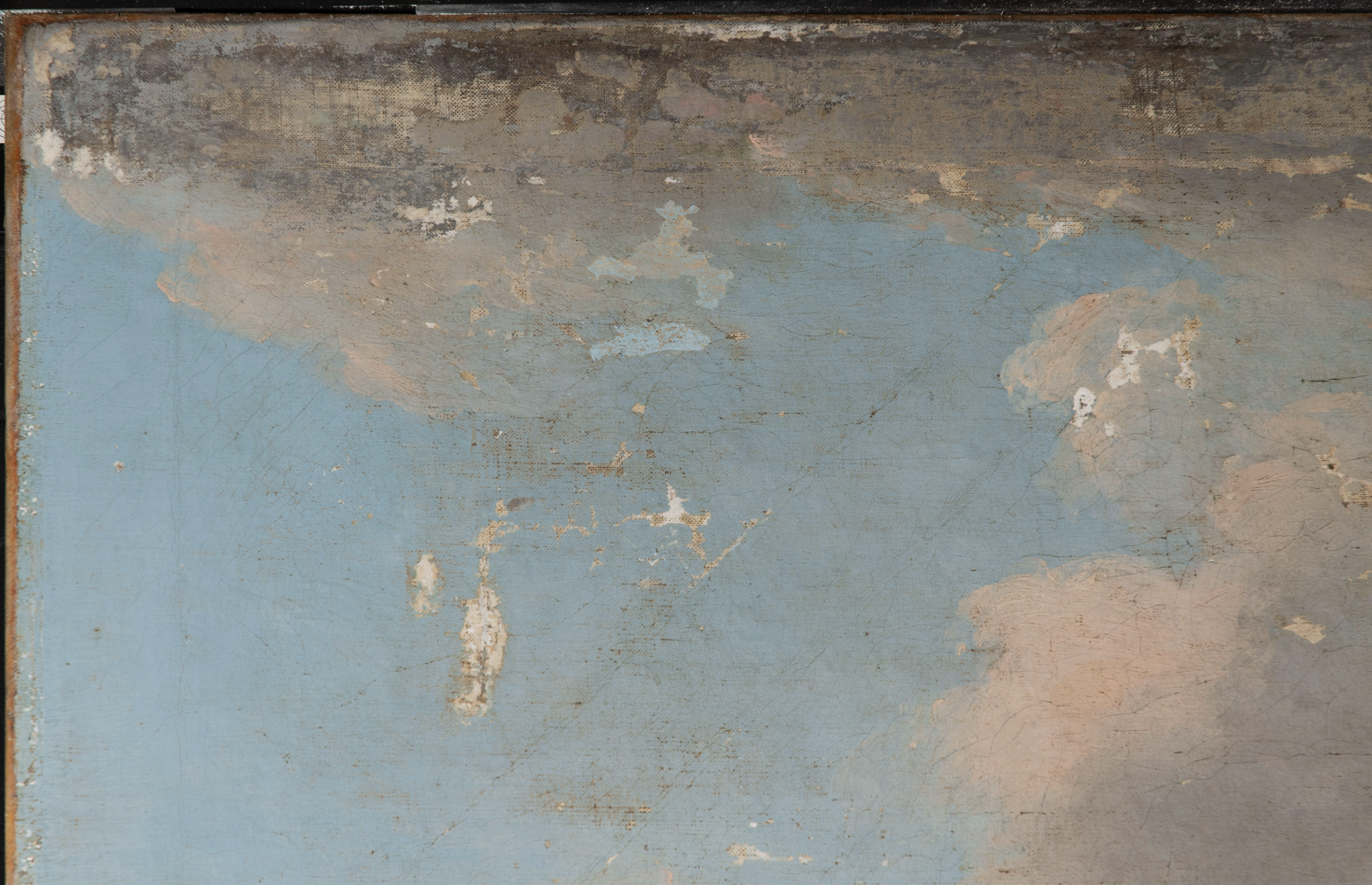
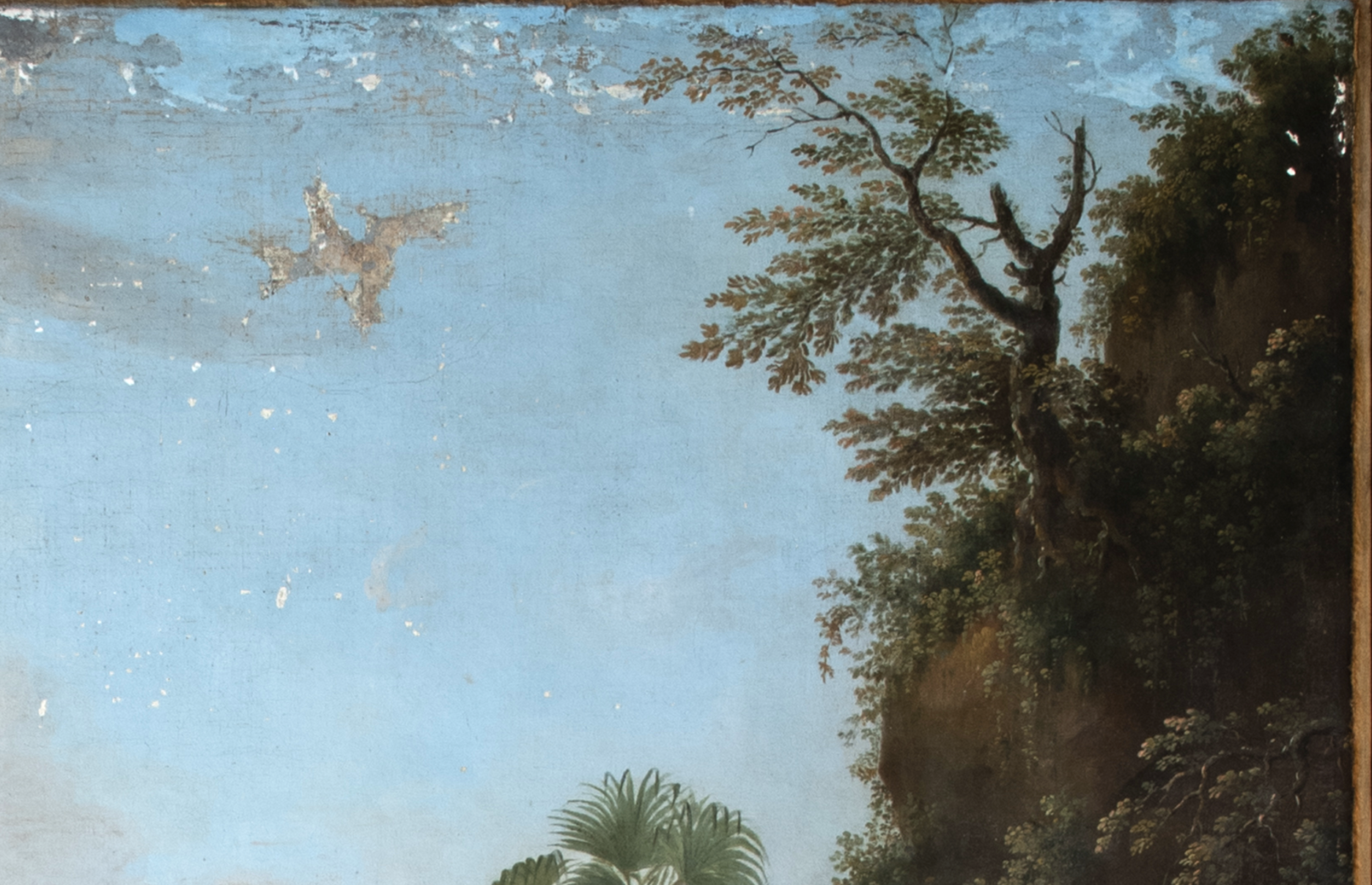
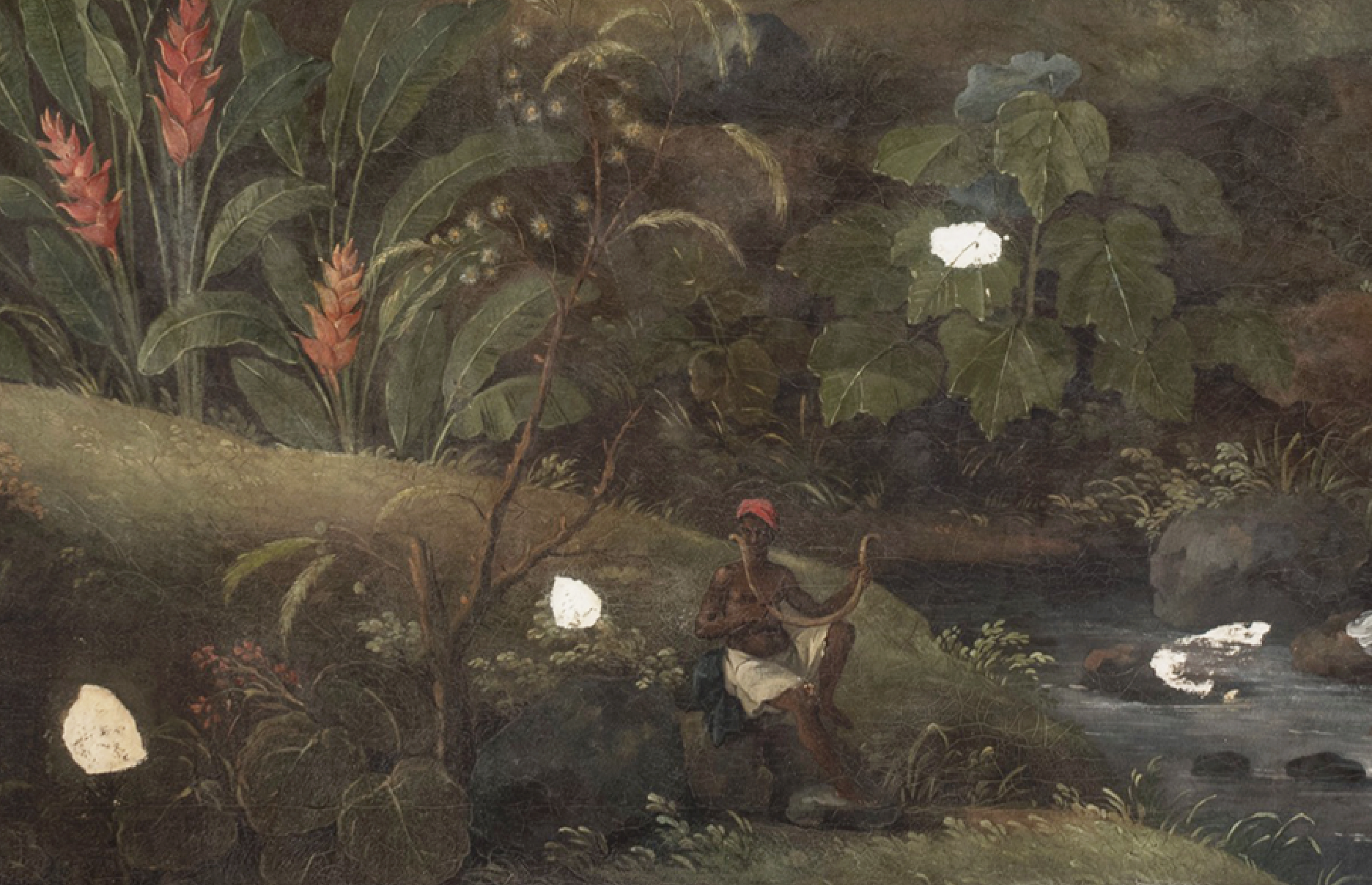
The painting shows extensive needs for large-scale filling, where losses need to be carefully fillsed and texturized in order to achieve a seamless transition, and integration with the surrounding surviving matertials.
Base retouching
Larger losses that have been filled requires a base colour of retouch to facilitate later reintegration.
Intermediate varnish
Adding a layer of stable varnish will ensure more saturated colours, even gloss, and isolation for the final retouching provess.
Final retouch
A full imitative retouching campaign is in favour to restore the visual unity of the painting. The retouches are finalized over the isolating intermediate varnish.
Final varnish
A final varnish layer is added to unify the gloss and even out the entire appearance.
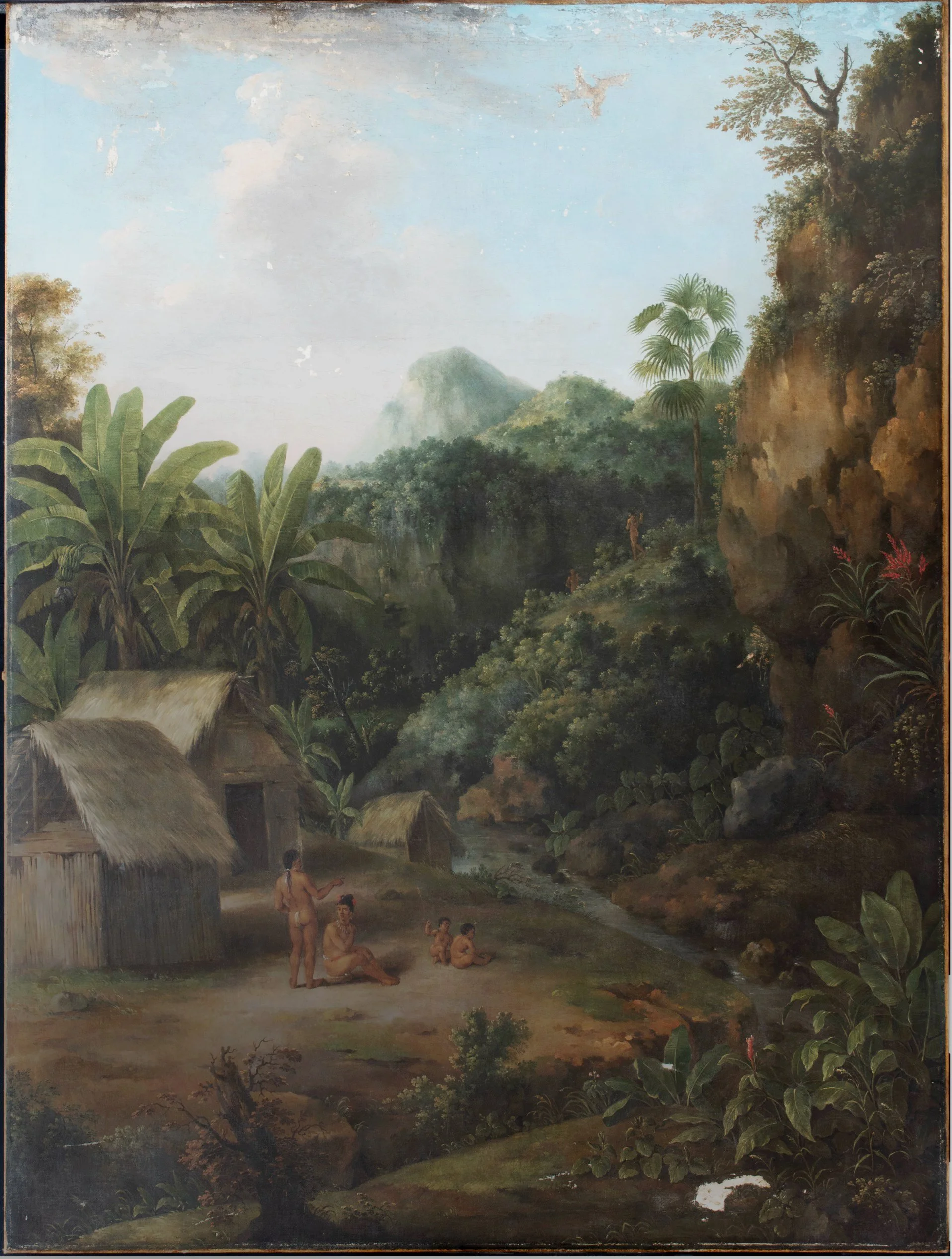
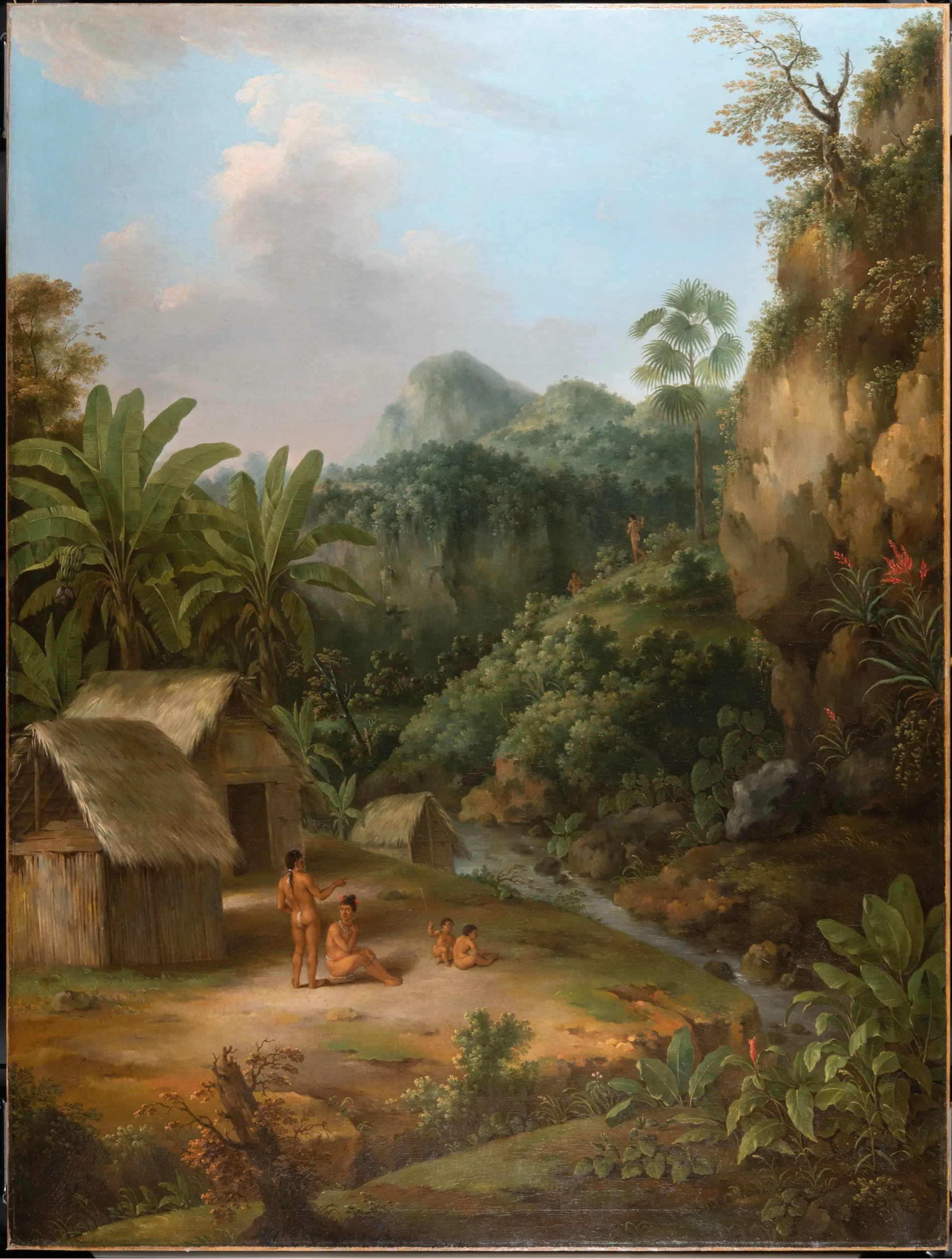
Landscape 1
-
![]()
Before Treatment
-
![]()
After Treatment
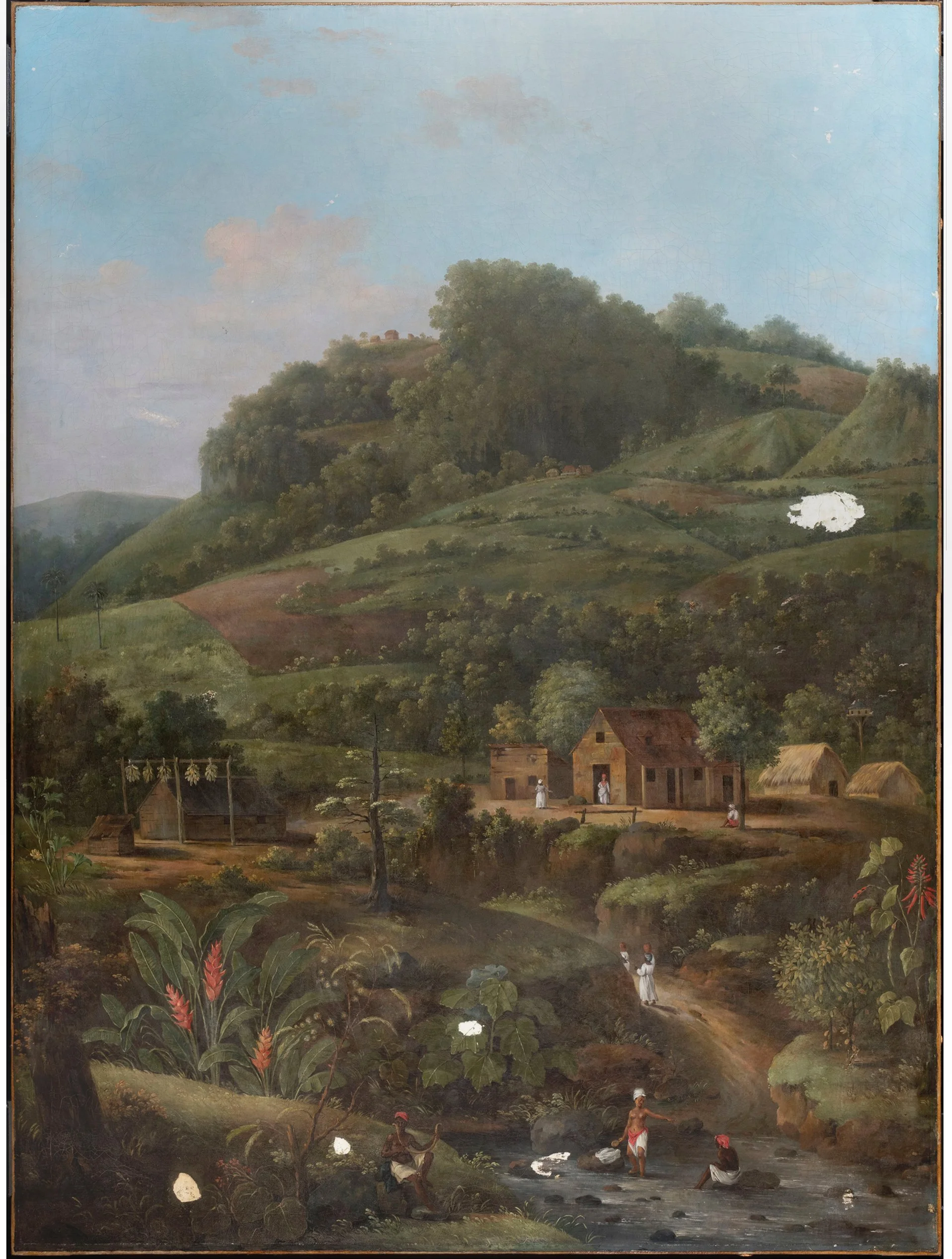
Landscape 2
-
![]()
Before Treatment
-
![]()
After treatment
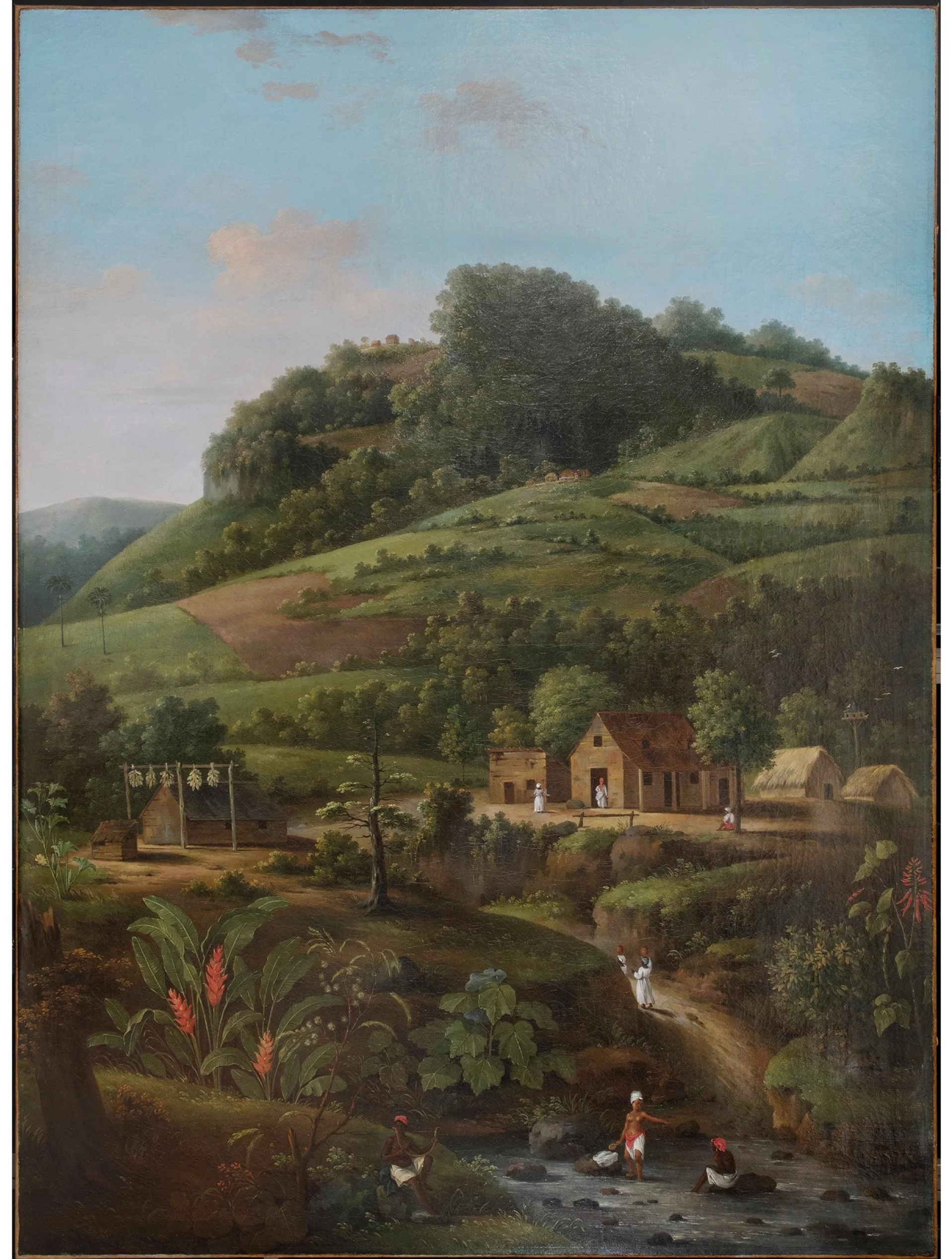
Treatment
Retouching
The Challenge
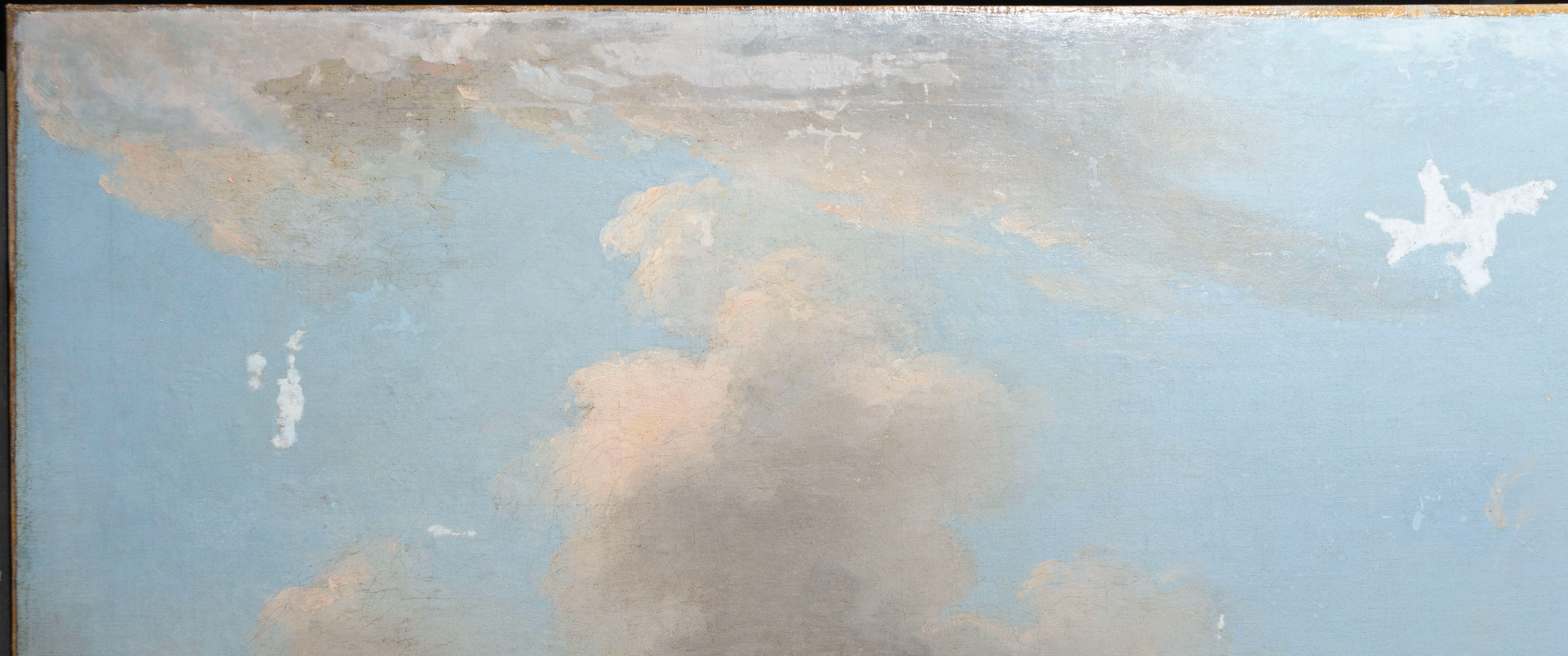
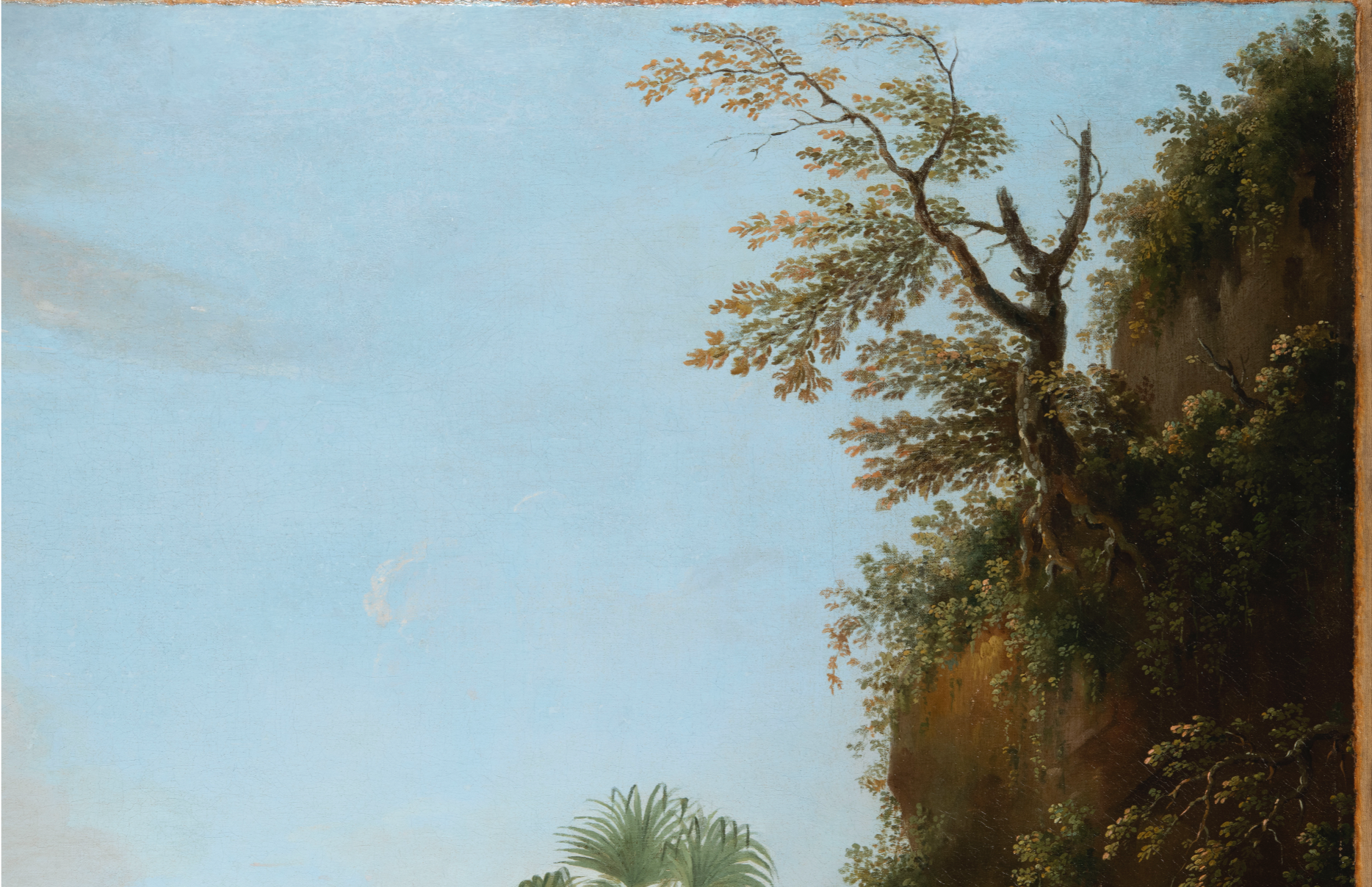
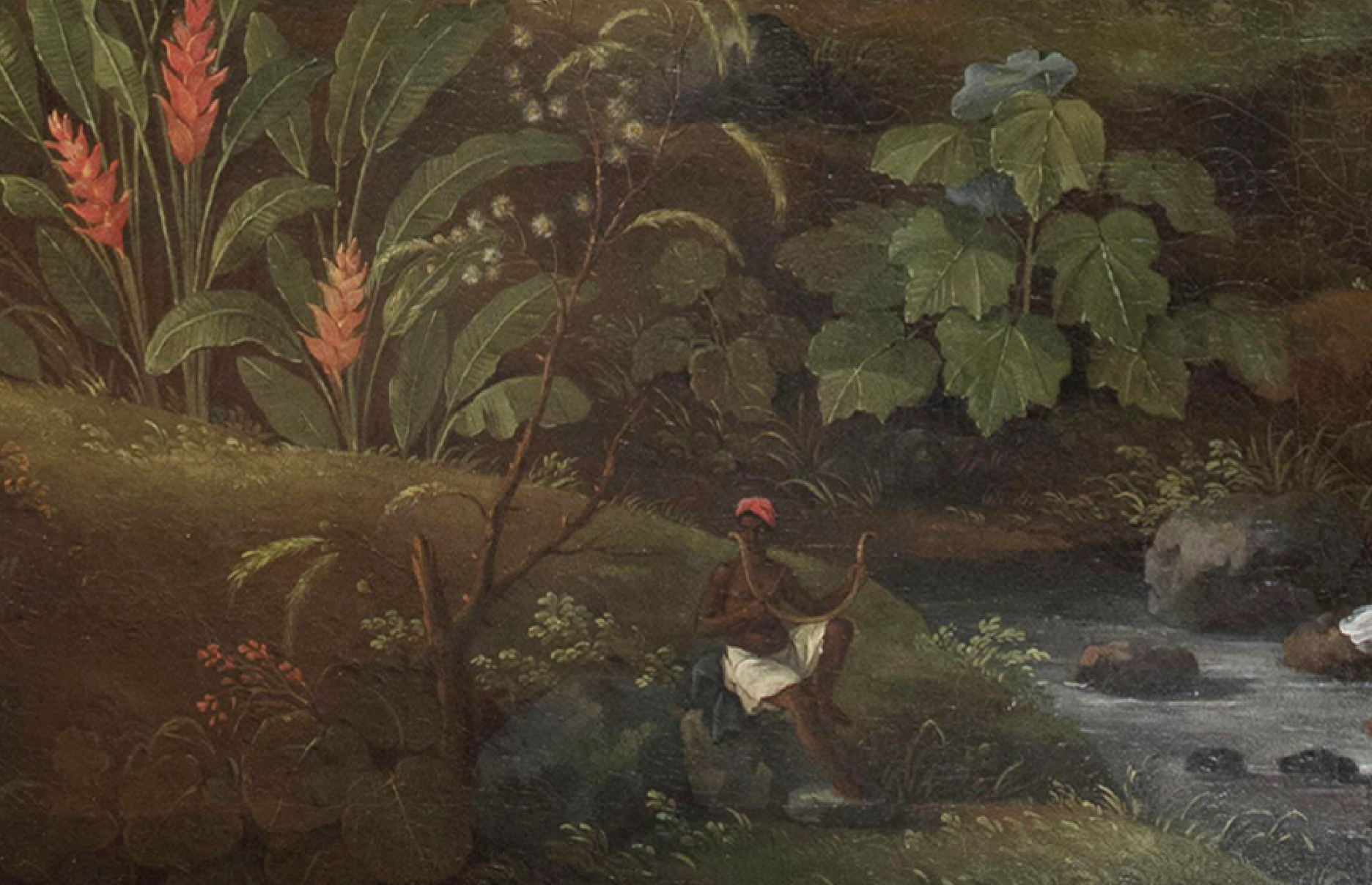
The painting presented a substantial amount of losses concentrated around the border region and tacking margins. Most of these were complete losses exposing the bare canvas, requiring a tailored approach to level these areas with the surrounding paint film without obscuring original material. For larger losses, proper structural modelling of the fills was essential; otherwise, they would appear too flat and distract from the overall image.
The Decision-Making Process
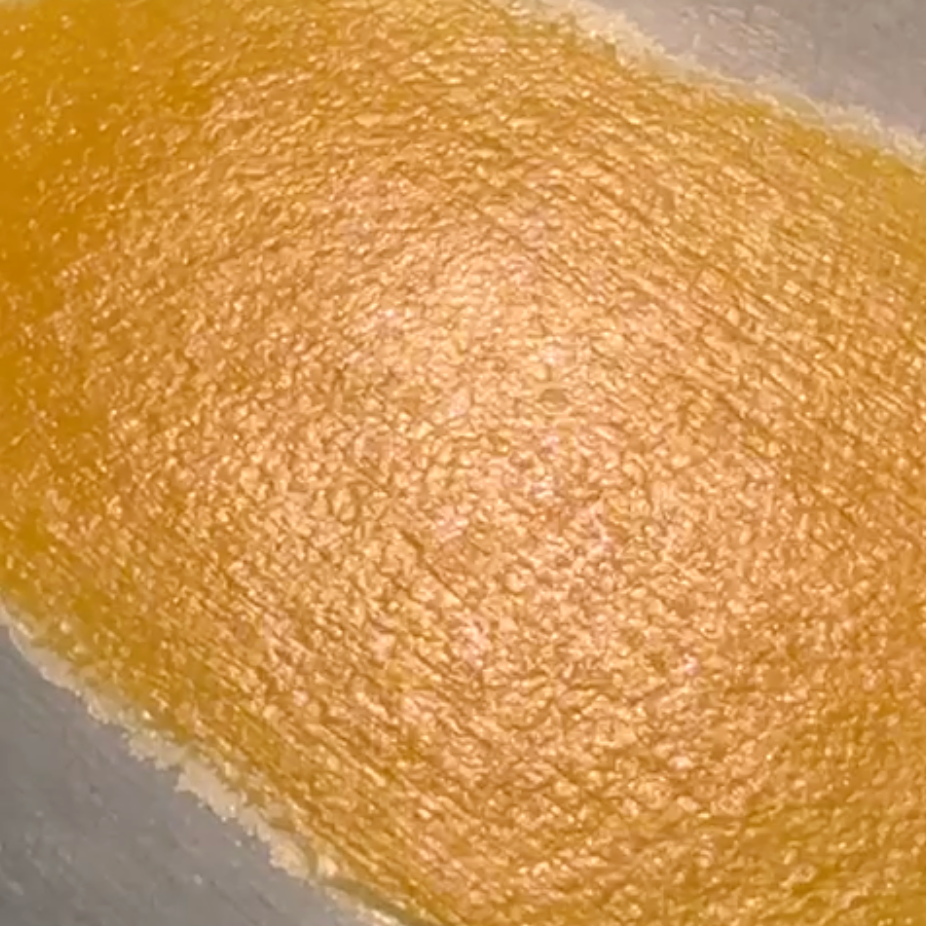
Material Composition: The thermoplastic filler consisted of a mixture of Beva 371b, Cosmoloid, kaolin, and pigments.
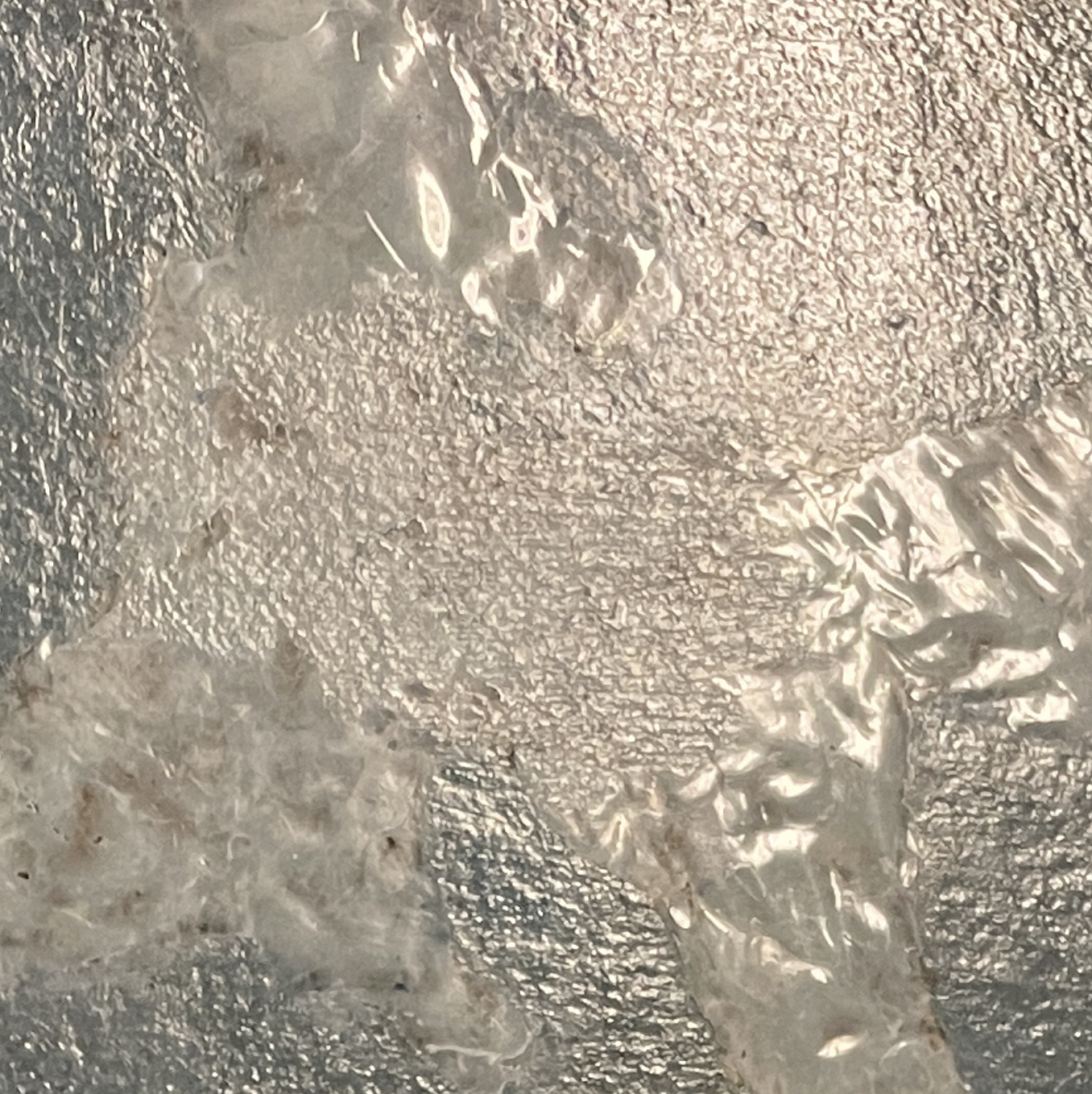
Textural Transfer: The primary advantage of this thermoplastic fill is that it allows for the precise transfer of the painting’s specific texture and craquelure pattern using a silicone mould.
Structural Modelling: This technique was utilized for larger losses to ensure the fills matched the topography of the surrounding paint rather than appearing unnaturally flat.
Tonal Integration: Pigments were incorporated into the mixture to create two distinct base tones: a light blue for the sky areas and an earth tone for the green and brown passages.
Application Technique: Using a silicone mould to capture the desired structure, multiple imprints were taken from the vicinity of the larger paint losses.
Bonding and Refinement: The prepared thermoplastic fill sheets were cut to match each loss, stretched over the area, and heated with a hot spatula at approximately 80°C through a sheet of baking paper. Post-filling, the texture was further refined by heating through the silicone mould and performing detailed carving with various dental tools.
The Challenge
The removal of the non-original, yellowed varnish revealed a need for a new protective coating that could saturate the colours without becoming distractingly glossy. A significant challenge was the tendency of the new varnish to sink in certain passages, resulting in a selectively matte and unsaturated appearance likely caused by varying pigment-binder ratios in the original paint film. Furthermore, the varnish needed to be matte enough to align with Impressionist aesthetics while remaining saturating enough to restore depth.
The Decision-Making Process
Saturation Layer: An initial isolating layer of Dammar at 20% in Shellsol D40 was applied to saturate the paint film before final retouching commenced.
Adaptive Saturation: In areas where the varnish sank noticeably, a localized application of ketone varnish was carried out to equalize the saturation and gloss levels across the composition.
Final Coating: A final layer of the same 20% Dammar varnish was applied to provide a uniform gloss and create a protective barrier against future atmospheric deposits and mechanical wear.
Aesthetic Alignment: The choice of materials and application methods ensured that the texture of the painting remained legible, avoiding the highly reflective surfaces that can create a distracting viewing experience.
Fills
The Challenge
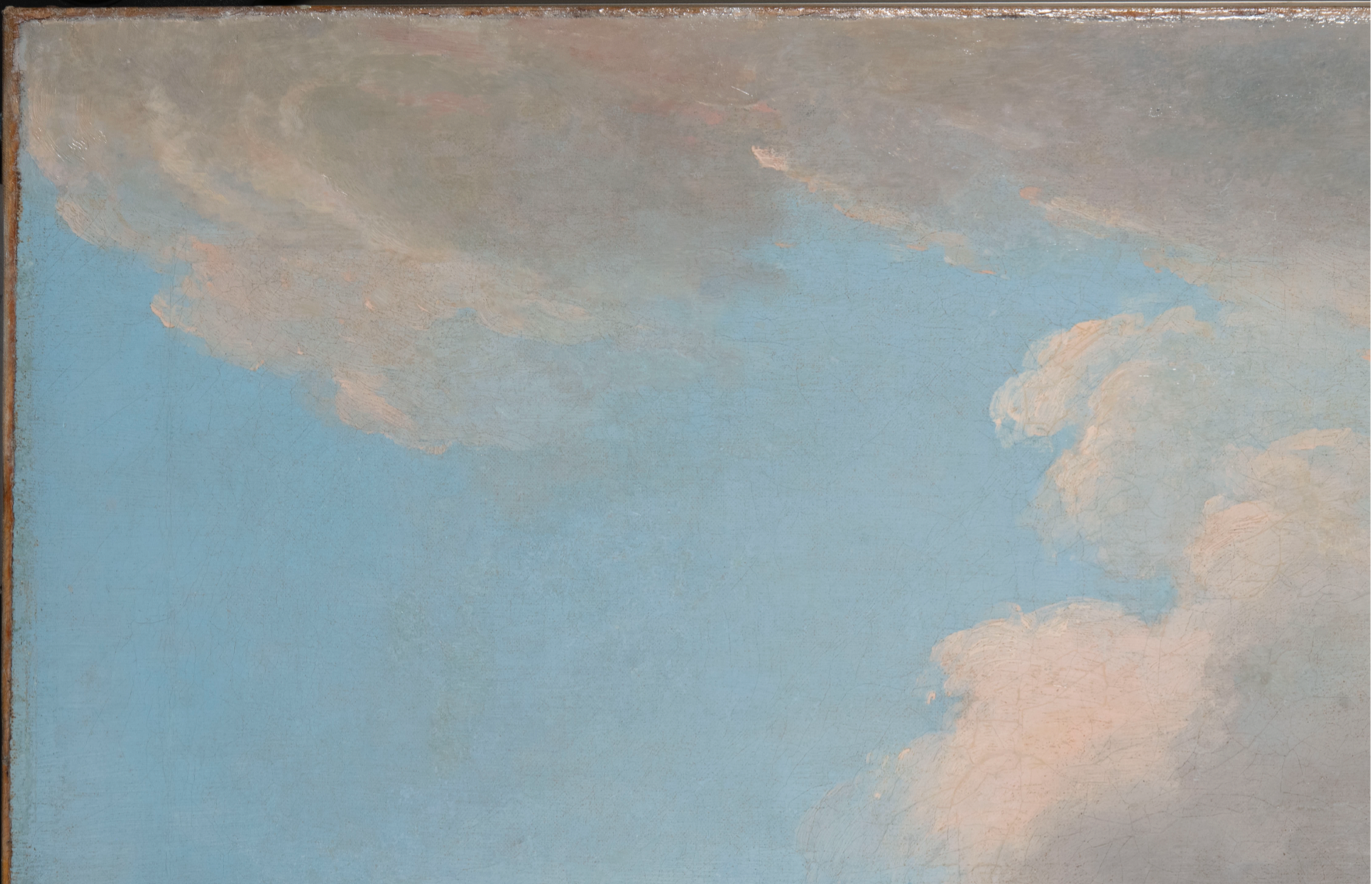
The large-scale paintings required extensive visual reintegration following the removal of old varnish, overpaint, and unstable fills. The primary technical obstacle involved the medium of the layer buildup, as the retouching required a reversible system that would not compromise the structural integrity of the underlying paint or new thermoplastic fills. Dividing the process into two distinct stages was necessary to achieve maximum depth and control over the final aesthetic results.
The Decision-Making Process
Base Retouching Media: Initial tonal integration was executed using pigments bound with Aquazol, a reversible medium. This stage was limited primarily to areas of extensive damage, such as the sky, to provide a foundational suppression of visual disruptions.
Final Retouching Media: Following an isolating varnish layer and the application of Beva-based fills, final retouches were performed using pigments bound with Mowilith, another reversible medium.
Chemical Stability: These specific binders were selected because they remain soluble in solvents that do not affect the original oil paint or mobilize the newly applied fills
Revarnish